

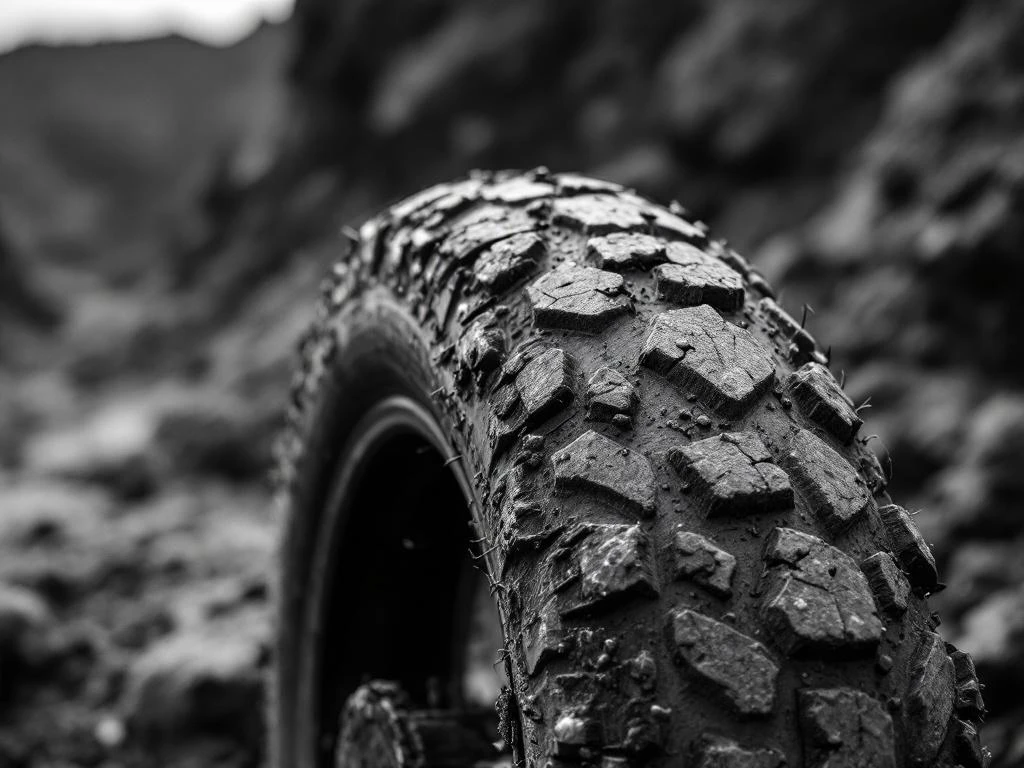
You should replace your adventure bike tyres when tread depth drops below 2mm on the rear or 3mm on the front, when visible damage appears, or after five years regardless of wear. Check regularly for wear bars, cracks, bulges, and uneven patterns that signal replacement time. Your riding style, terrain mix, and how you load your bike all affect tyre lifespan, so inspect them frequently to catch problems before they become safety issues.
What are the clear signs that your adventure bike tyres need replacing?
Your adventure bike tyres need replacing when tread depth reaches the minimum safe levels, visible damage appears, or wear patterns indicate problems. The rear tyre should have at least 2mm of tread depth, while the front requires 3mm minimum. These measurements matter because adventure riding demands more grip and stability than street riding alone, especially when you encounter gravel, mud, or wet surfaces.
Check your tread depth by inserting a coin into the grooves. If you can see the entire design on a 20p coin, your tread is too shallow. You can also look for wear bars, which are small raised sections in the tyre grooves that become flush with the tread when it’s time to replace.
Inspect your sidewalls for cracks or cuts. Rubber deteriorates over time, and sidewall damage compromises structural integrity. Even small cracks can lead to sudden failure, particularly when you’re carrying luggage or riding two-up. Bulges or deformations indicate internal damage and require immediate replacement.
Uneven wear patterns tell you something about your bike’s setup. Centre wear suggests overinflation or mostly motorway riding. Edge wear indicates underinflation or aggressive cornering. Cupping or scalloping points to suspension problems that need addressing alongside tyre replacement.
Puncture damage assessment depends on location and size. Sidewall punctures can’t be safely repaired. Tread punctures larger than 6mm or multiple repairs in the same tyre mean replacement time. Adventure riding puts more stress on tyres than commuting, so don’t push damaged tyres beyond their limits.
How does tyre age affect when you should replace them?
Replace your adventure bike tyres after five years regardless of remaining tread depth. Rubber compounds degrade over time even if the tyre looks fine, losing grip and flexibility that you need for safe riding. Age matters as much as wear because chemical changes happen whether you ride 20,000 miles or leave your bike parked.
UV exposure, temperature fluctuations, and oxidation break down rubber compounds gradually. The tyre might look perfect with plenty of tread, but the rubber hardens and loses its ability to conform to road surfaces. This means reduced grip in corners, longer braking distances, and unpredictable handling in wet conditions.
Find your tyre’s manufacturing date by reading the DOT number stamped on the sidewall. The last four digits tell you the week and year of manufacture. For example, “2319” means the 23rd week of 2019. Calculate five years from that date to know your replacement deadline.
Older tyres become particularly dangerous in adventure riding because you need reliable grip across varied surfaces. That five-year-old tyre with decent tread might feel fine on dry tarmac but fail you completely on wet gravel or loose dirt. Temperature changes during storage also accelerate ageing, especially if your bike sits outside or in an unheated garage.
Check both tyres even if one looks newer. Sometimes people replace only the rear and forget the front is equally old. Age-related deterioration affects both tyres simultaneously, so plan your replacement schedule accordingly.
Does your riding style change how often you replace adventure bike tyres?
Your riding style dramatically affects tyre lifespan because different conditions and habits create different wear rates. Street-focused riders might get 12,000-15,000 miles from a rear tyre, while aggressive off-road enthusiasts might see only 4,000-6,000 miles. Understanding your riding pattern helps you predict replacement timing and budget accordingly.
Mixed on-off-road adventure riding typically delivers 8,000-10,000 miles from the rear and 12,000-15,000 from the front. This assumes balanced riding with some motorway travel, weekend trail exploration, and moderate speeds. You’re using the tyre across its designed range without extreme demands in any single direction.
Aggressive off-road use wears tyres much faster. Knobby adventure tyres on rocky trails, deep sand, or muddy conditions might last only 4,000-7,000 miles. The constant spinning, sliding, and impact against rough surfaces tears rubber away quickly. If you spend most weekends on challenging trails, budget for more frequent replacements.
Load weight significantly impacts tyre life. Carrying full panniers, a passenger, and camping gear increases tyre pressure and heat generation. This accelerates wear, particularly on the rear tyre that bears most of the load. Heavy touring might reduce your tyre lifespan by 20-30% compared to solo riding with minimal luggage.
Your riding speed and braking habits matter too. Hard acceleration and aggressive braking scrub away rubber faster than smooth, progressive inputs. Motorway riding at sustained high speeds generates heat that ages tyres more quickly. Cornering style affects edge wear, with aggressive lean angles consuming the outer tread faster.
Track riding or sport riding on an adventure bike creates the fastest wear. You might see only 2,000-3,000 miles if you regularly push hard on tarmac. The tyres overheat and wear unevenly because they’re designed for mixed use, not sustained high-performance riding.
What’s the difference between front and rear tyre replacement timing?
Rear tyres wear approximately twice as fast as front tyres on adventure bikes because they handle power delivery and carry more weight. The rear tyre might need replacing every 8,000 miles while the front lasts 15,000 miles. This happens because acceleration forces, braking load transfer, and weight distribution all concentrate wear on the rear.
Power delivery is the main culprit. Every time you accelerate, the rear tyre pushes against the road surface, scrubbing away rubber. Modern adventure bikes with 100+ horsepower amplify this effect. The front tyre mostly steers and handles braking, which creates less aggressive wear patterns.
You can replace tyres individually or in pairs depending on circumstances. Replacing individually saves money and makes sense when only one tyre reaches its wear limit. Many riders replace the rear twice before the front needs changing. This approach works fine if you choose the same tyre model and maintain proper inflation.
Replacing in pairs offers advantages for handling consistency. Matched tyre models and wear levels provide predictable behaviour in all conditions. This matters most if you ride aggressively or frequently encounter challenging terrain where you need absolute confidence in your tyres.
Mismatched tyre wear affects handling subtly but noticeably. A fresh rear tyre with an old front can make steering feel vague. A new front with a worn rear might cause the back end to feel loose in corners. These differences become more pronounced in wet conditions or on loose surfaces.
Practical advice suggests replacing the rear when needed and assessing the front’s condition. If the front has 30-40% life remaining, you might continue with it. If it’s down to 50% or showing age-related deterioration, replace both together. Consider your riding plans too—if you’re about to take a long trip, fresh tyres on both ends provide peace of mind.
How do you maintain your adventure bike’s suspension while managing tyre wear?
Proper suspension setup directly affects tyre longevity because it controls how your tyres contact the road surface. Incorrect suspension settings cause uneven wear patterns, reduce grip, and shorten tyre life. Getting your suspension right means your tyres wear evenly and last longer while providing better performance and safety.
Too much preload or compression damping makes your suspension harsh, preventing the tyre from conforming to surface irregularities. This causes centre tread wear and reduces grip. Too little preload allows excessive suspension movement, creating edge wear and instability. Your tyres work hardest when suspension settings don’t match your weight, riding style, and typical loads.
Quality suspension components improve tyre contact consistency. Standard suspension often can’t adapt to varied adventure riding conditions, leaving your tyres working harder to compensate. When your suspension maintains proper contact through corners, over bumps, and during braking, your tyres wear evenly and perform better.
We design suspension systems that work with your tyres rather than against them. Our custom suspension solutions consider your specific bike, riding style, and typical conditions to deliver consistent tyre contact. This means better grip, more predictable handling, and longer tyre life because the suspension does its job properly.
Regular suspension maintenance matters as much as tyre checks. Worn suspension bushings, leaking seals, or incorrect settings accelerate tyre wear and compromise safety. If you notice uneven tyre wear patterns, your suspension likely needs attention. We offer complete suspension servicing and custom tuning to match your setup to your needs.
Getting your suspension professionally set up pays dividends in tyre longevity and riding enjoyment. If you’re replacing tyres frequently or noticing odd wear patterns, contact us to discuss how proper suspension setup can help. We’ll assess your current setup and recommend adjustments or upgrades that work with your tyres to deliver safer, more enjoyable adventure riding.
Think of tyres and suspension as partners in your bike’s performance. Fresh tyres on poorly set-up suspension won’t deliver their potential. Proper suspension with worn tyres leaves performance on the table. Maintaining both together gives you the grip, stability, and confidence you need for serious adventure riding.
Frequently Asked Questions
Can I mix different tyre brands or models on the front and rear of my adventure bike?
Yes, you can mix tyre brands between front and rear, but it’s best to choose tyres with similar characteristics and intended use. Avoid pairing a road-focused front with an aggressive off-road rear, as this creates unpredictable handling. Many riders successfully run different models when replacing individually, but ensure both tyres match your typical terrain split and maintain the manufacturer’s recommended pressures for each tyre.
How should I store my adventure bike to minimize tyre ageing when not riding regularly?
Store your bike in a cool, dry location away from direct sunlight and ozone sources like electric motors or welders. Keep tyres inflated to the recommended pressure and avoid prolonged contact with petroleum products or solvents. If storing for extended periods, consider using a paddock stand to reduce flat spots, and cover the tyres to protect from UV exposure. Even with perfect storage, the five-year replacement rule still applies.
What tyre pressure should I use for mixed on-road and off-road adventure riding?
Start with your manufacturer’s recommended street pressures (typically 36-42 psi front, 40-46 psi rear), then reduce by 2-4 psi when heading off-road for better traction and comfort. Lower pressures improve grip on loose surfaces but increase puncture risk and wear rates. Always return to higher pressures for sustained motorway riding to prevent overheating and edge wear, and adjust based on load weight when touring with luggage.
Is it worth repairing a punctured adventure bike tyre or should I replace it immediately?
Small punctures (under 6mm) in the tread area can be safely repaired with a plug or patch from the inside, but sidewall damage always requires replacement. If your tyre already has one repair, is near its wear limits, or is over four years old, replacement is the safer choice. For adventure riders planning remote trips, even a properly repaired tyre might not be worth the risk compared to fitting a fresh one.
How can I tell if my uneven tyre wear is caused by suspension problems or riding style?
Suspension issues typically create consistent patterns like cupping (scalloped wear), excessive centre wear on both tyres, or unusual feathering along tread blocks. Riding style wear appears as accelerated edge wear from aggressive cornering or centre wear from motorway cruising. If you notice cupping, uneven wear across the tyre width, or your bike feels unstable over bumps, have your suspension inspected before fitting new tyres.
Should I replace my tyres before a long adventure touring trip even if they still have adequate tread?
Yes, if your tyres have less than 40% tread remaining or are over three years old, replace them before a major trip. Remote breakdowns are costly and dangerous, and worn tyres are more susceptible to punctures and damage. Fresh tyres provide maximum grip in varied conditions and peace of mind when you’re far from help. Consider your route’s terrain demands and plan accordingly.
What's the best way to break in new adventure bike tyres safely?
Ride the first 100-150 miles cautiously, avoiding aggressive acceleration, hard braking, and extreme lean angles. New tyres have a release agent coating that needs to wear off for full grip. Gradually increase your pace and lean angles over varied surfaces, and avoid riding in rain during the first 50 miles if possible. This break-in period allows the tyre to properly seat on the rim and the tread to develop optimal grip characteristics.
Configure Your Motorcycle Suspension
Find the correct TFX suspension setup for your motorcycle in less than 60 seconds.
Start ConfigurationRelated Articles
- How does the Yamaha Ténéré 700 adventure bike perform on a long gravel stage?
- What causes the Yamaha Ténéré 700 rear shock to lose performance over time?
- What suspension problems do CFMOTO Ibex 450 motorcycle owners report most?
- How do you set up CFMoto 800 MT for a rider under 170 cm?
- Can you mix different fork oil weights on adventure bikes?