

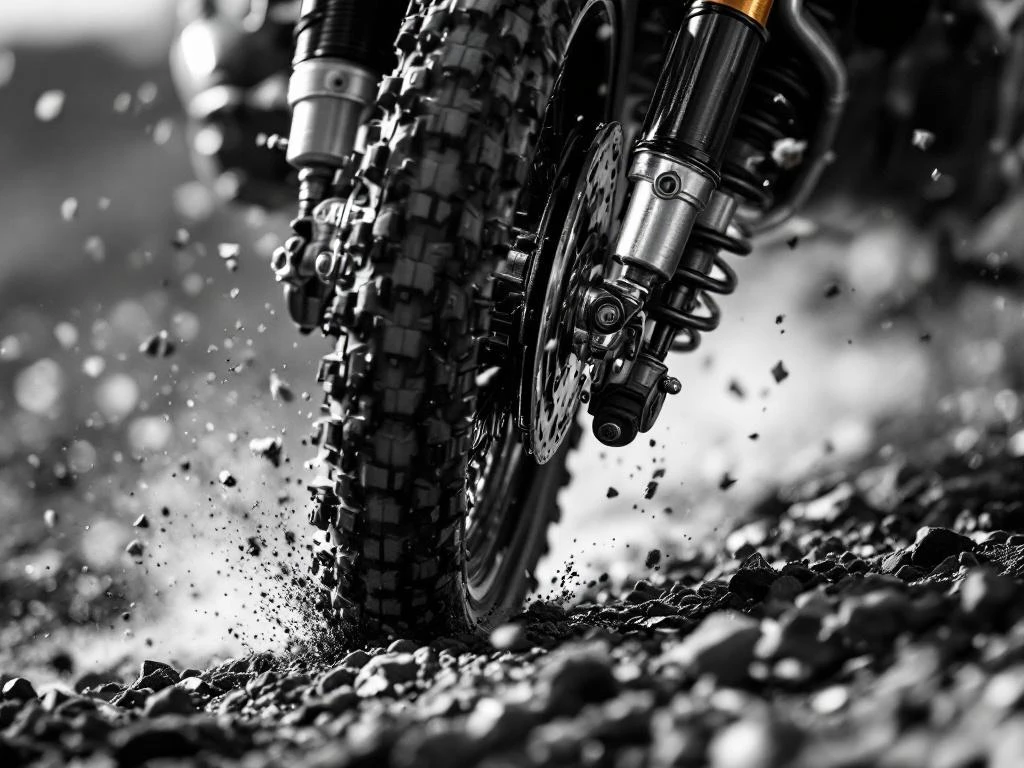
Small bump compliance refers to how well your adventure motor’s suspension absorbs minor road imperfections like gravel, small rocks, and uneven surfaces. When your suspension handles these small bumps effectively, you experience less vibration, better traction, and significantly reduced rider fatigue on long journeys. Poor small bump compliance leads to a harsh, uncomfortable ride that wears you out quickly and reduces your control over rough terrain.
What is small bump compliance and how does it affect your ride?
Small bump compliance describes your suspension’s ability to react quickly and smoothly to minor surface irregularities without transmitting harsh impacts to you and your bike. When your suspension has good small bump compliance, it absorbs gravel, washboard surfaces, and small rocks before they reach your handlebars and seat. This creates a smoother, more controlled ride that keeps your tyres in contact with the ground.
The physical difference between good and poor small bump compliance is immediately noticeable. With proper compliance, your adventure motor feels planted and controlled over rough surfaces. The suspension moves freely through small impacts, filtering out vibrations before they reach you. Your hands stay relaxed on the bars, your body remains comfortable, and the bike tracks predictably through varied terrain.
Poor small bump compliance creates the opposite experience. The suspension feels stiff and unresponsive to minor impacts. Every rock, rut, and ripple transmits directly through the handlebars and footpegs. Your bike feels like it’s skipping across the surface rather than tracking smoothly over it. This constant jarring makes you tense up, grip harder, and fight the bike instead of riding it naturally.
The connection between small bump sensitivity and overall comfort on your adventure motor is direct. When your suspension handles small impacts well, you can ride longer distances without fatigue. Your bike maintains better traction because the tyres aren’t bouncing off the surface. You have more confidence in varied conditions because the bike feels stable and predictable rather than harsh and unpredictable.
Why does small bump compliance matter more on adventure bikes than other motorcycles?
Adventure riding puts you on gravel roads, washboard surfaces, and mixed terrain far more than street or track riding. These conditions are filled with constant small bumps that test your suspension’s ability to maintain comfort and control. Unlike smooth tarmac or prepared race circuits, adventure routes deliver thousands of minor impacts over every kilometre you cover.
The longer distances typical of adventure riding amplify the importance of small bump performance. A slightly harsh suspension might be tolerable for a 30-minute commute, but it becomes exhausting on a full day’s ride. When you’re covering 300-500 kilometres through varied terrain, poor small bump compliance turns into arm pump, hand numbness, and back fatigue that can cut your trip short or make it miserable.
Street bikes prioritise handling on smooth surfaces where small bump compliance matters less than overall damping control. Track motorcycles focus on high-speed stability and precise handling over prepared surfaces. Your adventure motor needs to balance these qualities whilst excelling at something neither street nor track bikes prioritise: absorbing endless small impacts without wearing you out or losing traction.
The real-world impact becomes obvious during multi-day trips or extended off-road sections. Good small bump compliance means you arrive at camp feeling ready to enjoy the evening rather than collapsed with fatigue. It means maintaining control and confidence through hour after hour of gravel roads. It transforms rough surfaces from an endurance test into an enjoyable part of the adventure.
How does suspension setup affect small bump performance?
Your damping settings directly control how your suspension responds to small bumps. Low-speed compression damping affects how the suspension reacts to minor impacts. Too much low-speed compression damping makes the suspension stiff and unresponsive to small bumps. The suspension can’t move quickly enough to absorb minor irregularities, so it transmits them straight through to you and the bike.
Rebound damping controls how quickly your suspension extends after compressing. Excessive rebound damping prevents the suspension from recovering between impacts, causing it to pack down and lose its ability to absorb subsequent bumps. This creates a progressively harsher ride as the suspension stays compressed in its travel, unable to respond to new impacts effectively.
Spring rates and preload influence small bump compliance by determining how easily your suspension begins moving. Springs that are too stiff require more force to compress, making them less responsive to minor impacts. Excessive preload creates a similar effect by requiring more initial force before the suspension starts moving. Both conditions reduce small bump sensitivity by making the suspension reluctant to react to minor surface irregularities.
Common setup mistakes include running too much compression damping for comfort, excessive preload to prevent bottoming, and rebound settings that are too slow. Many riders also use springs that are too stiff for their weight and riding style. The balance between small bump comfort and overall suspension control requires finding settings that allow free movement over minor impacts whilst maintaining control during larger compressions and high-speed riding.
What happens when your suspension doesn’t handle small bumps well?
The physical effects on you as a rider start with your hands and arms. Constant vibration and jarring from unabsorbed small bumps cause arm pump, where your forearms become tight and fatigued. Your hands go numb from gripping harder to maintain control. Your back and shoulders tense up as your body tries to absorb impacts the suspension isn’t handling. This fatigue accumulates quickly, turning an enjoyable ride into an exhausting ordeal.
Your adventure motor’s control and stability suffer significantly over rough surfaces when small bump compliance is poor. The tyres skip and bounce rather than maintaining consistent ground contact. This reduces available traction for acceleration, braking, and cornering. The bike feels vague and unpredictable because it’s constantly being deflected by impacts the suspension isn’t absorbing smoothly.
Braking performance deteriorates noticeably on rough surfaces with poor small bump compliance. When your tyres are bouncing off the surface rather than tracking smoothly, you can’t apply consistent braking force. The wheels lock more easily or the ABS activates unnecessarily because tyre contact is intermittent. This extends your stopping distances and reduces your confidence when you need to slow down on gravel or broken surfaces.
The long-term consequences for extended adventure rides are serious. Poor small bump compliance limits how far you can comfortably ride in a day. It reduces your enjoyment of routes that should be highlights of your trip. It can cause you to avoid interesting roads because they’re too uncomfortable. Over time, it may even cause you to question whether adventure riding is for you, when the real issue is simply suspension that isn’t properly set up for the conditions you’re riding.
How can you improve small bump compliance on your adventure motorcycle?
Start by reducing your compression damping if your suspension has adjustable settings. Back off the compression adjusters by several clicks and test the results over familiar rough roads. You’re looking for the suspension to move more freely over small bumps whilst still maintaining control during larger compressions. Many riders run compression damping too high, prioritising control over comfort when a better balance is possible.
Check your rebound damping next. If the suspension feels harsh and seems to get worse over consecutive bumps, your rebound is probably too slow. Speed up the rebound by turning the adjusters in the appropriate direction. The suspension should extend quickly enough to recover between impacts without bouncing or feeling uncontrolled. This allows it to absorb each new bump rather than packing down into its travel.
Evaluate your spring rates and preload settings. If you’re running excessive preload to prevent bottoming, you may need stiffer springs instead. Proper springs let you run minimal preload, which improves small bump sensitivity by allowing the suspension to move freely from its rest position. If you’re significantly lighter or heavier than average, custom spring rates matched to your weight will dramatically improve small bump performance.
Regular maintenance preserves small bump compliance over time. Clean and lubricate your fork seals and linkage bearings. Old suspension oil loses its properties and affects damping performance. Worn bushings and bearings create friction that prevents smooth movement over small bumps. Fresh oil, clean seals, and properly maintained bearings make a noticeable difference in how your suspension responds to minor impacts.
Testing improvements requires riding the same sections of road before and after making changes. Choose routes with varied surfaces including gravel, washboard, and broken tarmac. Pay attention to how your hands and arms feel, whether the bike tracks smoothly, and how confident you feel over rough surfaces. Make one adjustment at a time so you can identify what actually improves your small bump compliance.
When basic adjustments don’t deliver the comfort and control you need, professional suspension tuning or upgrades make sense. We approach custom suspension solutions by matching damping characteristics, spring rates, and valving to your specific weight, riding style, and typical conditions. Our suspension systems are designed with small bump compliance as a priority because we know how important it is for adventure riding comfort and control. If you’re ready to transform your adventure motor’s ride quality, get in touch and we’ll discuss how proper suspension setup can change your riding experience.
Frequently Asked Questions
How do I know if my adventure bike's suspension has poor small bump compliance?
The most obvious signs are excessive vibration through the handlebars and footpegs on gravel or washboard surfaces, arm pump or hand numbness developing quickly during rides, and a feeling that your bike is skipping or bouncing across rough terrain rather than tracking smoothly. If you’re gripping harder to maintain control over minor surface irregularities or arriving exhausted after rides on mixed terrain, your suspension likely needs adjustment to improve small bump performance.
Can tyre pressure affect small bump compliance, or is it purely a suspension issue?
Tyre pressure significantly impacts small bump compliance and works in conjunction with your suspension. Running slightly lower pressures (within manufacturer recommendations) allows tyres to conform better to small irregularities, absorbing minor impacts before they reach the suspension. However, tyre pressure alone cannot compensate for poorly set up suspension—both elements need to work together for optimal small bump performance on adventure rides.
What should I adjust first if I have limited suspension adjustability on my bike?
Start with rebound damping if you only have one or two adjusters available. Rebound has a dramatic effect on small bump compliance, and excessively slow rebound is one of the most common mistakes riders make. Next, reduce compression damping if available, and finally check that you’re running minimal preload with appropriate spring rates for your weight. These changes require no special tools and can be tested immediately.
How often should I service my suspension to maintain good small bump compliance?
Fork oil should be changed every 15,000-20,000 kilometres or annually for regular adventure riders, whilst shock servicing is typically needed every 20,000-30,000 kilometres. However, if you frequently ride dusty or muddy conditions, inspect and clean fork seals every few thousand kilometres, as contamination creates friction that destroys small bump sensitivity. Linkage bearings should be greased annually or whenever you notice any binding in suspension movement.
Will improving small bump compliance make my suspension too soft for high-speed riding or big hits?
Not if properly balanced. Good small bump compliance comes from appropriate damping settings and spring rates, not simply making everything softer. Modern suspension can be tuned to move freely over minor impacts whilst still providing control during high-speed compression and large bumps. The key is having sufficient adjustability or properly valved components that deliver both comfort over small bumps and control when you need it.
Is it worth upgrading my suspension if my bike is older or considered entry-level?
Absolutely. Small bump compliance improvements transform the riding experience regardless of your bike’s age or price point. Even entry-level adventure bikes benefit dramatically from proper suspension setup or upgrades, often delivering more noticeable improvements than on premium models because the baseline performance has more room for enhancement. If you’re committed to adventure riding and covering serious distances, quality suspension is one of the most valuable investments you can make.
Can I damage my suspension by adjusting settings to improve small bump compliance?
No, you cannot damage your suspension through clicker adjustments alone. The adjusters are designed to be changed by riders, and you can always return to factory settings if needed. The worst outcome from incorrect adjustments is poor performance, not mechanical damage. However, running incorrect spring rates long-term or neglecting maintenance can cause premature wear, so focus on proper setup rather than just backing off damping to mask other issues.
Configure Your Motorcycle Suspension
Find the correct TFX suspension setup for your motorcycle in less than 60 seconds.
Start ConfigurationRelated Articles
- How do you tune CFMOTO 450 MT suspension for both road and off road in one trip?
- Why does the CFMOTO 450 MT feel harsh on rough gravel roads?
- What aftermarket shock fits the CFMOTO Ibex 450 adventure motorcycle?
- How does the Yamaha Ténéré 700 off road bike cope with high speed gravel sections?
- What causes the CFMOTO 450 MT rear to step out on loose gravel?