

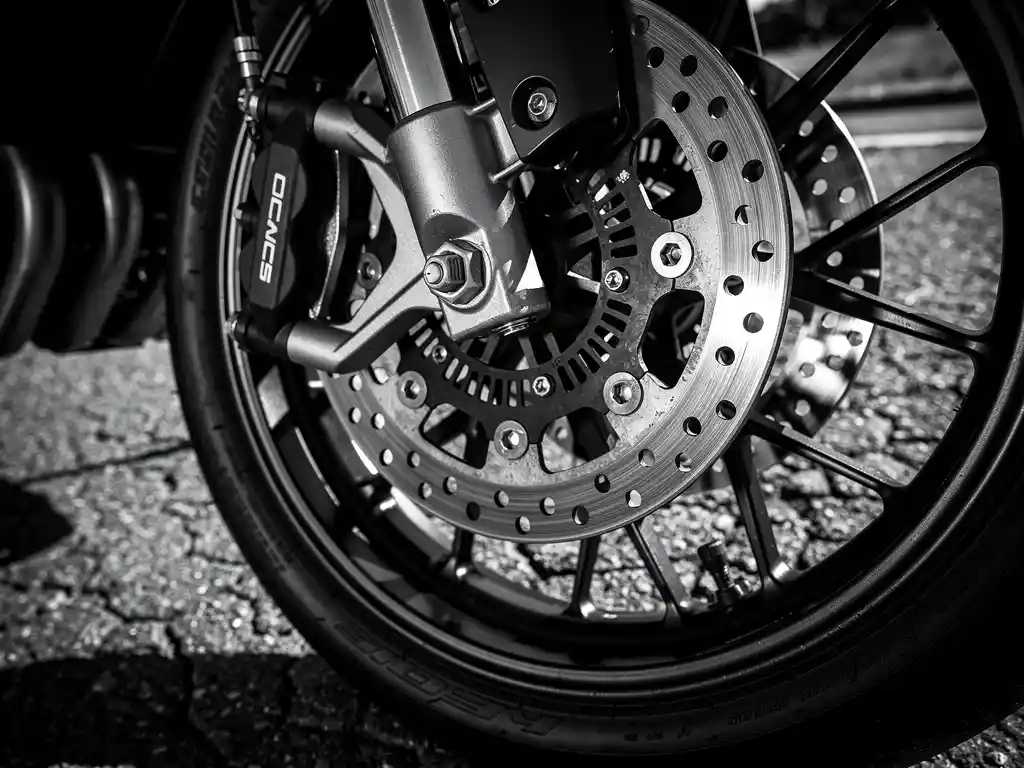
The CFMOTO 450 MT comes standard with ABS brakes as part of its safety equipment package. This adventure motorcycle features a dual-channel ABS system that monitors both front and rear wheel speeds to prevent wheel lock-up during braking. The system enhances safety in both on-road and off-road riding conditions, making it particularly valuable for adventure riders who encounter varying types of terrain.
Does the CFMOTO 450 MT come equipped with ABS brakes?
Yes, the CFMOTO 450 MT adventure motorcycle comes standard with dual-channel ABS brakes. This anti-lock braking system is integrated into both the front and rear brake circuits, providing enhanced safety and control across different riding conditions. The system cannot be switched off, ensuring consistent protection for riders.
The CFMOTO 450 MT features a comprehensive braking system that includes 300 mm front disc brakes and 220 mm rear disc brakes, both working in conjunction with the ABS system. This setup provides reliable stopping power whether you’re navigating city streets or tackling challenging off-road trails.
The CFMOTO Ibex 450 (another name for the same model in certain markets) maintains the same ABS specification across all variants. This standardisation means adventure riders can rely on consistent braking performance regardless of where they purchase their motorcycle.
The ABS system on the CFMOTO 450 MT dual-sport bike is designed to handle the demands of mixed-terrain riding. Unlike some adventure bikes where ABS can be disabled for off-road use, the 450 MT’s system is calibrated to provide appropriate intervention levels for both tarmac and dirt-riding scenarios.
How does ABS work on adventure motorcycles like the 450 MT?
ABS on adventure motorcycles like the CFMOTO 450 MT uses wheel-speed sensors to monitor rotation and prevent wheel lock-up during hard braking. When the system detects that a wheel is about to lock, it rapidly pulses brake pressure, allowing the wheel to continue rotating while maintaining maximum braking efficiency.
The system operates through several key components working together. Wheel-speed sensors continuously monitor the rotation of both the front and rear wheels, sending data to the ABS control unit. When braking force exceeds the available grip, the control unit activates hydraulic modulators that rapidly adjust brake pressure.
On dual-sport motorcycles like the CFMOTO Ibex 450 adventure bike, the ABS system is calibrated to account for different surface conditions. The system recognises when wheels are slipping due to loose surfaces rather than excessive braking force, adjusting its intervention accordingly.
The pulsing action you feel through the brake lever during ABS activation is normal and indicates that the system is working correctly. This pulsing allows riders to maintain steering control while the system optimises braking performance, which is particularly valuable when encountering unexpected hazards on mixed terrain.
Modern adventure-bike ABS systems like those found on the CFMOTO 450 MT off-road bike are designed to work effectively on various surfaces, from wet tarmac to gravel roads. The system’s sensitivity is tuned to provide appropriate intervention without being overly intrusive during normal off-road riding.
What are the advantages of having ABS on an adventure bike?
ABS provides crucial safety benefits for adventure riders by preventing wheel lock-up during emergency braking situations. This technology maintains steering control, reduces stopping distances on most surfaces, and prevents dangerous skids that could result in crashes. It is particularly valuable when riding on unfamiliar terrain or in varying conditions.
The primary advantage of ABS on adventure motorcycles is enhanced control during panic-braking situations. When you encounter unexpected obstacles, wildlife, or changing road conditions, ABS allows you to apply maximum braking force without losing steering ability. This is particularly important on adventure bikes, where riders often face unpredictable scenarios.
ABS significantly improves braking performance on wet or slippery surfaces. Adventure riders frequently encounter rain, mud, gravel, and other challenging conditions where wheel lock-up is more likely. The system automatically adjusts brake pressure to maintain optimal grip, something that is difficult for even experienced riders to achieve manually.
For less experienced riders, ABS provides a safety net that builds confidence. New adventure riders can focus on developing other skills without worrying about mastering threshold braking techniques immediately. This confidence boost encourages riders to explore more challenging routes and develop their abilities progressively.
The technology also reduces tyre wear and maintenance costs. By preventing wheel lock-up and skidding, ABS helps preserve tyre tread and reduces the likelihood of flat spots or irregular wear patterns that can occur during emergency braking.
Insurance benefits often accompany ABS-equipped motorcycles. Many insurers offer reduced premiums for bikes with safety equipment like ABS, recognising the reduced accident risk associated with this technology.
How should you brake properly on a dual-sport motorcycle?
Proper braking on dual-sport motorcycles involves using both front and rear brakes progressively, with approximately 70% front brake and 30% rear brake application on tarmac. Off-road, increase rear brake usage to around 50% to maintain stability. Always apply the brakes smoothly and progressively rather than grabbing them suddenly.
The fundamental technique for effective braking starts with body positioning. Keep your weight centred over the bike and avoid sudden movements that could upset the motorcycle’s balance. Maintain a firm grip on the handlebars while keeping your arms relaxed to absorb any feedback from the braking system.
On tarmac surfaces, apply the front brake progressively using your index and middle fingers. The front brake provides the majority of stopping power due to weight transfer during braking. Simultaneously apply the rear brake with your right foot, using steady pressure rather than sudden application.
Off-road braking requires different techniques depending on surface conditions. On loose surfaces like gravel or sand, increase rear brake usage to prevent the front wheel from washing out. The rear brake helps maintain stability and control when traction is limited.
When descending steep hills, use engine braking as your primary speed-control method. Downshift to appropriate gears and use the brakes intermittently to prevent overheating. This technique is particularly important on long descents, where continuous braking could cause the brake pads to fade.
Practise emergency braking in safe environments to develop muscle memory. Find an empty car park or quiet road and practise applying maximum braking force while maintaining control. This practice helps you understand your motorcycle’s capabilities and your own limits.
Always scan ahead and anticipate braking needs. Good riders brake before corners, not in them. Plan your braking points and adjust speed appropriately for conditions, remembering that stopping distances increase significantly on loose or wet surfaces.
How TFX Suspension enhances adventure bike safety and performance
TFX Suspension systems complement ABS technology by providing superior wheel contact and control during braking situations. Our custom-tuned suspension maintains optimal tyre contact over varying terrain, maximising the effectiveness of your motorcycle’s braking system while improving overall safety and performance in adventure-riding scenarios.
Adventure motorcycles like the CFMOTO 450 MT benefit significantly from properly tuned suspension that works in harmony with modern safety systems. Our suspension solutions provide several key advantages:
- Enhanced brake performance through improved wheel contact and reduced brake dive
- Better ABS effectiveness by maintaining consistent tyre contact pressure across varying terrain
- Reduced rider fatigue through superior comfort and control on long adventure rides
- Customised tuning for individual rider weight, riding style, and typical load configurations
- Improved safety margins through predictable handling characteristics in emergency situations
We specialise in creating suspension systems that adapt to the unique demands of adventure riding. Whether you’re tackling technical single-track trails or covering long distances with luggage, our suspension solutions are designed to complement your motorcycle’s existing safety systems.
Our comprehensive service offerings include custom tuning, maintenance, and upgrades that ensure your suspension continues to perform optimally throughout your adventures. Visit our website to explore how we can enhance your adventure motorcycle’s performance and safety.
Ready to improve your adventure bike’s handling and safety? Contact us today to discuss your specific requirements, or explore our blog for more insights on adventure motorcycle performance and safety.
Frequently Asked Questions
Can the ABS system on the CFMOTO 450 MT be disabled for off-road riding?
No, the ABS system on the CFMOTO 450 MT cannot be switched off or disabled. Unlike some adventure motorcycles that offer ABS disable switches, the 450 MT’s system is permanently active and specifically calibrated to work effectively across both on-road and off-road conditions without being overly intrusive.
What should I do if I feel the ABS pulsing through the brake lever during normal riding?
The pulsing sensation through the brake lever indicates that the ABS system is actively preventing wheel lock-up, which is completely normal. Continue applying steady brake pressure and maintain your grip – don’t pump the brakes or release pressure when you feel the pulsing, as this is the system working correctly to maintain control.
How do I maintain the ABS system on my CFMOTO 450 MT?
ABS maintenance primarily involves keeping the wheel speed sensors clean and ensuring proper brake fluid levels. Regularly clean mud and debris from the sensor rings on your wheels, check brake fluid levels monthly, and have the brake fluid changed according to your maintenance schedule. Any ABS warning lights should be addressed immediately by a qualified technician.
Will aftermarket wheels or tyres affect the ABS performance on the 450 MT?
Significantly different wheel or tyre sizes can affect ABS calibration, as the system relies on wheel speed sensors that are calibrated for specific circumferences. Stick to manufacturer-recommended sizes or consult with a CFMOTO dealer before making changes to ensure the ABS system continues to function properly.
How does the 450 MT's ABS perform in sand or deep gravel compared to other surfaces?
The CFMOTO 450 MT’s ABS is calibrated for mixed-terrain use, but in very loose surfaces like deep sand or gravel, you may notice more frequent system activation. The key is to apply brakes smoothly and rely more heavily on rear brake and engine braking in these conditions while allowing the ABS to do its job.
What's the difference between single-channel and dual-channel ABS, and why does it matter?
The CFMOTO 450 MT’s dual-channel ABS monitors and controls front and rear wheels independently, providing more precise brake pressure modulation than single-channel systems. This means better control and shorter stopping distances, especially important for adventure riding where you encounter varying traction conditions between front and rear wheels.
Can I upgrade my older adventure bike to have ABS like the CFMOTO 450 MT?
Retrofitting ABS to motorcycles not originally equipped with it is technically complex and generally not practical or cost-effective. The system requires integrated wheel speed sensors, hydraulic modulators, and electronic control units that are designed into the motorcycle from the factory. It’s typically better to consider upgrading to an ABS-equipped motorcycle like the 450 MT.
Configure Your Motorcycle Suspension
Find the correct TFX suspension setup for your motorcycle in less than 60 seconds.
Start ConfigurationRelated Articles
- Which suspension upgrade makes the biggest difference on the CFMOTO 450 MT off road bike?
- What is the CFMOTO 450 MT motorcycle like on a three day gravel touring route?
- How do you lube the CFMOTO 450 MT throttle cables?
- How do you choose the right suspension for CFMOTO 450 MT off-road use?
- How does preload affect ride height on adventure bikes?
