

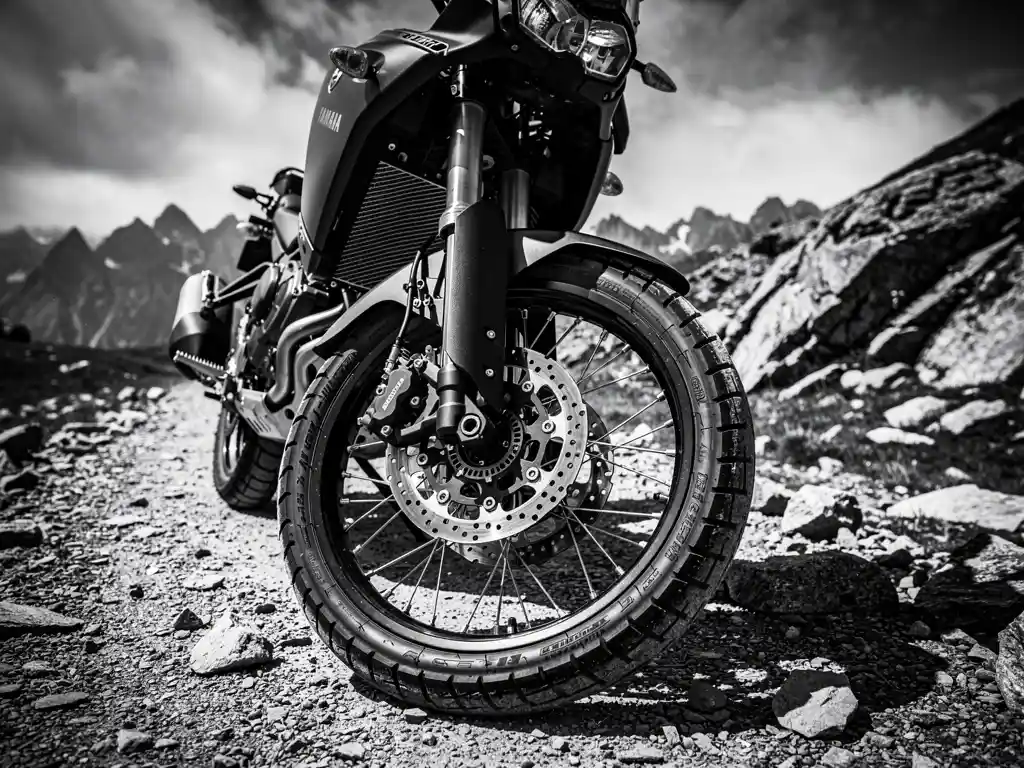
The 2026 Yamaha Ténéré 700 continues to be one of the most talked-about adventure bikes on the market, and for good reason. Whether you are a seasoned dual-sport rider planning an overland expedition or a weekend explorer looking for a capable and reliable machine, understanding what this bike offers in 2026 is a smart starting point. Below, we answer the most common questions riders are asking about the Yamaha Ténéré 700 engine, specs, suspension, and upgrade options.
What are the key specs of the 2026 Yamaha Ténéré 700?
The 2026 Yamaha Ténéré 700 is a mid-size adventure motorcycle built around a 689cc parallel-twin engine, long-travel suspension, a 16-litre fuel tank, and a kerb weight of approximately 204 kg. It is designed to handle both paved roads and off-road trails with confidence, making it one of the most versatile options in its class.
Here is a quick overview of the key specifications for 2026:
- Engine: 689cc DOHC parallel-twin, liquid-cooled
- Power output: Approximately 72 hp at 9,000 rpm
- Torque: Around 68 Nm at 6,500 rpm
- Fuel tank: 16 litres
- Seat height: 875 mm (standard)
- Kerb weight: Approximately 204 kg (wet)
- Front suspension: 43 mm KYB USD fork, 210 mm travel
- Rear suspension: KYB monoshock, 200 mm travel
- Front brake: 282 mm dual disc with radial-mount calipers
- Rear brake: 245 mm single disc
- Tyres: 90/90-21 front, 150/70-18 rear
These figures place the Ténéré 700 firmly in the sweet spot between lightweight trail bikes and heavier touring-oriented adventure motorcycles. It is light enough to be manageable off-road, yet powerful and comfortable enough for long-distance touring.
What engine does the 2026 Yamaha Ténéré 700 use?
The 2026 Yamaha Ténéré 700 uses a 689cc DOHC liquid-cooled parallel-twin engine derived from the MT-07 platform. This Yamaha Ténéré 700 engine produces around 72 hp and 68 Nm of torque, tuned specifically for strong mid-range delivery that suits both off-road riding and long highway stretches.
The CP2 (Crossplane Concept 2) engine architecture gives the Ténéré 700 its distinctive character. The 270-degree firing interval creates an uneven firing pulse that feels more like a V-twin than a traditional parallel-twin, giving the rider better feel and traction feedback, especially on loose or unpredictable surfaces. This makes a meaningful difference when navigating technical terrain or riding in variable conditions.
The engine is also known for its durability and relatively low maintenance requirements, which matters a great deal to adventure riders who may be far from a service centre. Fuel injection, a slipper clutch, and ride-by-wire throttle control all contribute to a refined and responsive riding experience that holds up across many thousands of kilometres.
What suspension does the 2026 Yamaha Ténéré 700 have?
The 2026 Yamaha Ténéré 700 comes equipped with KYB suspension at both ends. The front uses a 43 mm upside-down fork with 210 mm of travel, while the rear features a KYB monoshock offering 200 mm of travel. Both ends offer preload and damping adjustability, giving riders a reasonable degree of tuning flexibility from the factory.
The long travel figures are a genuine highlight. At 210 mm front and 200 mm rear, the Ténéré 700 can absorb significant impacts from rocks, roots, and broken road surfaces without unsettling the chassis. This is part of what makes the bike feel so capable in mixed terrain conditions.
That said, the adjustability on the stock suspension is limited compared to aftermarket alternatives. Preload adjustment is accessible, but compression and rebound damping settings are relatively basic. Riders who push the bike hard off-road, carry heavy luggage, or travel with a pillion will often find the stock setup reaching its limits sooner than expected.
How does the 2026 Ténéré 700 compare to the previous model?
The 2026 Ténéré 700 builds on refinements introduced in recent model years, maintaining the same proven 689cc parallel-twin engine and suspension architecture while focusing on incremental improvements to electronics, ergonomics, and finish quality. There are no radical departures from the formula that made the bike popular.
For riders coming from a 2021 or 2022 model, the most noticeable differences are likely to be in the electronics package. Traction control, cornering ABS, and ride mode options have been progressively improved across model years. The 2026 version reflects Yamaha’s continued commitment to making the bike more accessible to a wider range of riders without sacrificing its core off-road DNA.
If you already own a recent Ténéré 700, an upgrade to the 2026 model may not be essential unless you specifically want the latest electronics or a fresh warranty. The fundamental riding experience remains consistent, which is a testament to how well the original design was executed.
Is the stock suspension on the Ténéré 700 good enough for adventure riding?
The stock suspension on the Ténéré 700 is competent for general adventure riding, but it has clear limitations for riders who push into more demanding territory. It performs well on moderately rough roads and light off-road tracks, but riders carrying heavy luggage, riding two-up, or tackling serious off-road terrain will likely feel the factory setup working at its limits.
Here is where the stock suspension tends to fall short:
- Load sensitivity: The factory spring rates are set for a rider of average weight with minimal luggage. Add panniers, a top box, and camping gear, and the rear end can feel wallowy or bottomed out.
- Limited damping adjustment: The stock KYB units offer basic adjustability. Riders who want to fine-tune compression and rebound for specific terrain or riding style will quickly run out of options.
- Consistency over long distances: On extended tours, the stock suspension can feel less composed as fatigue sets in, both for the rider and the components themselves.
- Pillion performance: Riding two-up on the stock rear shock often results in noticeably reduced handling precision, particularly in corners and over bumps.
For casual weekend riders who stay mostly on tarmac with light loads, the factory suspension is perfectly adequate. But adventure riders who genuinely use the bike for what it was designed for will benefit from a more capable setup.
What are the best suspension upgrades for the 2026 Yamaha Ténéré 700?
The best suspension upgrades for the 2026 Yamaha Ténéré 700 focus on improving spring rates matched to your actual weight and load, increasing damping adjustability, and ensuring the components can handle sustained use in demanding conditions. Common upgrade paths include replacing the rear shock first, then addressing the front forks with either a respring and revalve or a full fork replacement.
When evaluating suspension upgrades, consider the following factors:
- Rider weight and typical load: Your spring rate needs to reflect your actual riding weight, including gear, luggage, and any passenger.
- Terrain: Riders who spend more time off-road benefit from more progressive damping and greater travel compliance. Road-focused riders may prioritise stability and comfort.
- Adjustability: Look for components that offer independent compression and rebound adjustment so you can fine-tune for different conditions.
- Serviceability: A suspension unit you can get serviced and rebuilt is far more valuable in the long run than a sealed, non-serviceable unit.
- Custom tuning: The best results come from suspension that is set up specifically for you, not a generic off-the-shelf configuration.
Revalving and respringing the stock forks is a cost-effective first step that can dramatically improve front-end feel. For the rear, a quality aftermarket shock with proper spring rates and full damping adjustment makes one of the most noticeable differences to overall handling and comfort.
How TFX Suspension Helps You Get the Most from Your Ténéré 700
At TFX Suspension, we specialise in custom suspension solutions built specifically for adventure riders who refuse to compromise. Our philosophy is simple: do not settle for standard. If your 2026 Yamaha Ténéré 700 is not performing the way it should, whether that is wallowing under load, feeling harsh on rough tracks, or simply not inspiring the confidence you want, we can help.
Here is what we offer Ténéré 700 riders:
- Custom-tuned shocks and fork setups matched to your weight, riding style, and the terrain you actually ride
- Full suspension service and rebuild to restore or improve the performance of existing components
- Modular and serviceable designs that are built to last and easy to maintain over the long term
- Personal consultation to ensure every setting is dialled in for you specifically, not a generic rider profile
Whether you are preparing for a major overland trip, regularly riding two-up with gear, or simply want your Ténéré 700 to feel as good as it looks, we are here to help. Visit our suspension shop to explore our range of solutions, learn more about our suspension service and tuning options, or get in touch with us directly for personalised advice. You can also find more guides and tips on the TFX Suspension blog, or visit our homepage to discover everything we do for adventure riders like you.
Frequently Asked Questions
What is the ideal rider weight range for the stock Ténéré 700 suspension setup?
The factory spring rates on the Ténéré 700 are generally optimised for a rider weighing between 70–85 kg with minimal additional load. If you fall outside this range — either lighter or heavier — or regularly ride with luggage and gear, the stock setup will likely feel either too stiff or too soft. Getting a suspension setup tuned to your actual system weight (rider plus gear plus luggage) is the most effective way to unlock the bike’s true handling potential.
How do I know if my Ténéré 700 suspension needs a service or a full upgrade?
A good starting point is to check for signs of wear: oil weeping from fork seals, a rear shock that feels vague or bouncy, or handling that has noticeably degraded since the bike was new. If the components are in reasonable condition but simply not matched to your riding style or load, a respring and revalve may be all you need. However, if the damping internals are worn or the shock is beyond serviceable condition, a quality aftermarket replacement will deliver far better results than trying to revive tired components.
Should I upgrade the front forks or the rear shock first on my Ténéré 700?
Most suspension specialists recommend starting with the rear shock, as it has the greatest impact on overall balance, load-carrying ability, and cornering confidence. A correctly sprung and damped rear end transforms how the whole bike feels. Once the rear is sorted, revalving and respringing the stock front forks is a cost-effective next step that brings the front end into balance with the improved rear — giving you a cohesive, well-matched suspension package.
Can I fit suspension upgrades myself, or do I need a professional to do it?
Swapping a rear shock is a relatively straightforward job for a mechanically confident rider with basic tools and a workshop manual. However, fork revalving and respringing requires disassembly, specialist knowledge of damping circuits, and the right tools — it is not a typical DIY task. More importantly, getting the spring rates and damping settings dialled in correctly for your specific weight and riding style is where a professional suspension tuner adds real value that a generic parts swap simply cannot replicate.
Will upgrading the suspension affect the Ténéré 700's warranty?
In most regions, fitting aftermarket suspension components does not automatically void your entire motorcycle warranty — consumer protection laws in many countries limit a manufacturer’s ability to do this unless they can prove the modification directly caused a specific fault. That said, it is always worth checking the warranty terms applicable in your country and consulting with your dealer before making changes. Using reputable, quality-engineered components from a specialist like TFX Suspension also reduces any risk of fitment-related issues.
What tyres work best with the 2026 Ténéré 700 for mixed on- and off-road riding?
The stock 90/90-21 front and 150/70-18 rear tyre sizes give you a wide range of aftermarket options. For genuine mixed-terrain adventure riding, a 50/50 tyre such as the Mitas E-07, Shinko 705, or Pirelli Scorpion Rally STR offers a strong balance of grip, durability, and road manners. If your riding leans more heavily off-road, a knobbier option like the Michelin Anakee Wild will reward you with significantly more confidence on loose surfaces, though at some cost to road comfort and longevity.
Is the 2026 Yamaha Ténéré 700 a good first adventure bike for newer riders?
The Ténéré 700 is a capable and approachable machine, but it is not the easiest entry point for complete beginners. Its 875 mm seat height and 204 kg kerb weight demand a degree of confidence, particularly when manoeuvring at low speeds or on loose terrain. Riders with at least some road experience who are ready to step up to a more serious adventure platform will find it highly rewarding. For those on the shorter side, a suspension setup with a lowered ride height option can make a meaningful difference to confidence and control.
Configure Your Motorcycle Suspension
Find the correct TFX suspension setup for your motorcycle in less than 60 seconds.
Start Configuration