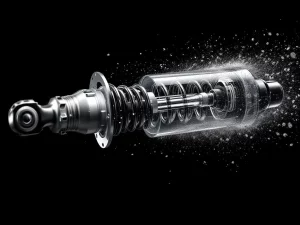
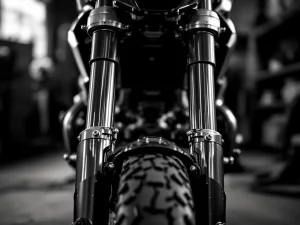
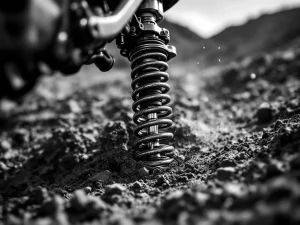
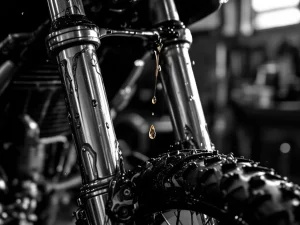
Yes, you can replace adventure bike suspension seals yourself with basic mechanical skills and the right tools. Fork seals are more straightforward than shock seals, requiring 2-4 hours and potentially saving significant money compared to professional service. This comprehensive guide walks you through the essential tools needed, realistic difficulty levels for DIY riders, common mistakes that cause leaks, and situations where professional help makes more sense. Learn whether fork seal replacement is within your skill level and how to avoid costly errors.
Struggling with harsh suspension on gravel and rough trails? Improving small bump compliance transforms how your adventure motorcycle handles minor surface irregularities. By adjusting compression damping, fine-tuning rebound settings, and optimizing preload, your suspension will absorb chatter instead of transferring jolts to your body. Better compliance means improved traction, reduced fatigue, and more control on washboard roads and rocky terrain. Discover practical suspension adjustments that make your bike feel planted and responsive, plus when upgrades become worthwhile for serious off-road adventures.
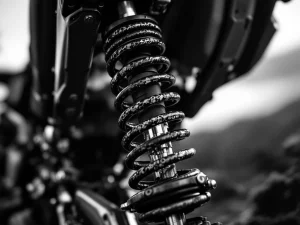
Progressive springs solve the adventure rider’s dilemma: comfortable when riding solo, supportive when fully loaded. Unlike standard linear springs that force you to compromise, progressive springs use variable coil spacing to adapt automatically as weight increases. They prevent bottoming out with touring gear while maintaining comfort for daily rides. If you’re constantly adjusting preload or struggling with suspension performance under varying loads, progressive springs deliver the versatility your adventure bike needs across all riding conditions.
When rebound damping is set too fast on your adventure bike, the suspension extends too quickly after compression, creating a bouncy, unstable ride where tyres lose ground contact. This reduces traction, makes handling unpredictable over bumps, and creates nervous cornering behaviour. You’ll experience harsh impacts, reduced braking effectiveness, and increased safety risks—especially on mixed terrain. The fix is straightforward: slow down your rebound adjusters in small increments until the suspension settles smoothly without excessive bounce, keeping your tyres planted for better control.
Stiction cannot be completely eliminated from adventure motorcycle suspension because friction is inherent to mechanical systems with seals and moving parts. However, you can reduce stiction to acceptable levels through regular maintenance, quality components, and proper lubrication. Learn what causes stiction in fork seals, shock shafts, and bushings, how to identify when it’s problematic versus normal, and the proven maintenance practices that keep your suspension responsive to small bumps and terrain changes for better comfort and control on the trail.
Rebound damping controls how fast your suspension extends after compressing, while compression damping manages how quickly it compresses when you hit a bump. Both work together to keep your adventure bike stable and comfortable. Getting the balance right means your tyres stay in contact with the ground, your bike handles predictably, and you can ride faster with more confidence on varied terrain.
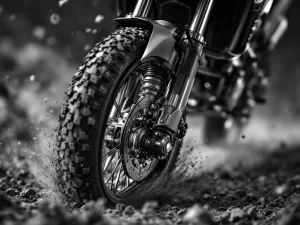
Inverted forks place larger diameter tubes at the top for superior rigidity and handling on adventure bikes. This upside-down design resists flex during hard braking and cornering, especially when carrying luggage. While they cost more and require careful maintenance due to downward-facing seals, inverted forks deliver better feedback and control on technical terrain. Learn how they differ from conventional forks, why adventure bikes use them, and whether they match your actual riding style—not just your aspirational one.
Bottoming out happens when your suspension compresses fully and runs out of travel, causing harsh impacts that damage components and reduce control. This comprehensive guide explains what bottoming out means, why it occurs on loaded adventure bikes, and how to prevent it through proper preload adjustment, compression damping, and riding technique. Learn to recognize the warning signs, understand the long-term damage from repeated bottoming out, and discover professional setup solutions that match your specific riding style and load requirements.
Adventure motorcycle fork oil needs changing every 15,000-20,000 km for road use, but off-road riders need more frequent service—sometimes every 5,000-8,000 km. Your riding style, terrain, and conditions determine the actual interval. Watch for reduced damping, oil leaks, harsh bottoming, and inconsistent fork action as warning signs. Off-road riding accelerates oil breakdown through heat, contamination, and constant compression cycles, making preventive maintenance critical for performance and safety.
Bottoming out on your adventure bike ruins comfort and control. This comprehensive guide shows you exactly how to adjust compression damping to prevent harsh impacts, whether you’re riding solo or fully loaded. Learn to identify bottoming issues using o-ring position, understand the difference between high-speed and low-speed compression, and follow a step-by-step adjustment process with testing protocols. Discover why compression damping matters more than preload for big hits, and get specific settings recommendations for touring with luggage.