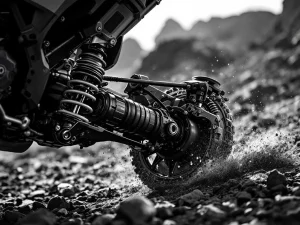
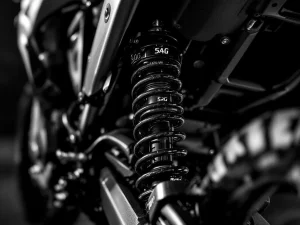
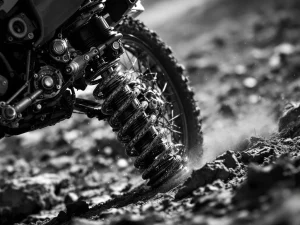
Stop suspension bottoming out on your adventure bike with proper setup and tuning. Learn how to adjust preload for your weight and luggage, dial in compression damping to control harsh hits, and recognize when stock components can’t handle your riding style. Whether you’re touring with full panniers or tackling challenging off-road terrain, correct suspension setup maintains control and comfort while preventing damage to your bike.
Incorrect sag settings on your adventure motorcycle can transform a confident ride into an uncomfortable, unsafe experience. Too little sag creates harsh, unstable handling with vague steering, while too much causes wallowing, bottoming out, and reduced ground clearance. This comprehensive guide explains what sag actually is, how to identify when it’s wrong through handling symptoms, and the step-by-step process to fix it. Discover why proper sag adjustment (typically 30-40mm) is the foundation of suspension performance that dramatically improves traction, control, and rider confidence across varying terrain and loads.
Suspension topping out creates that harsh clunk you hear after hitting bumps on your adventure bike. It happens when insufficient rebound damping allows your suspension to extend too quickly, slamming against the end of its travel. This causes jarring impacts, metallic noises, and reduced traction on rough terrain. Understanding the causes—from incorrect rebound settings to worn components and improper spring preload—helps you fix the problem. Simple adjustments to rebound damping and preload can eliminate topping out, restoring smooth, controlled suspension performance for confident off-road riding.
Preload on adventure motorcycle suspension adjusts the initial spring compression, affecting ride height and how your bike handles different loads. Understanding preload helps you maintain proper ground clearance, optimize suspension travel, and keep your bike balanced whether riding solo or fully loaded. This guide explains what preload actually does, how to measure sag correctly, the difference between preload and damping, and practical adjustment techniques for both front and rear suspension on adventure bikes.
Incorrect preload can seriously damage your adventure bike suspension over time. Too much preload stresses bushings and seals, causing premature wear. Too little causes bottoming out, hammering your shock and leading to seal failure and oil leaks. Learn how to spot the warning signs—harsh ride quality, frequent bottoming, oil weeping from seals—and discover the proper sag measurement technique to protect your suspension investment and keep your bike performing at its best.
Suspension bottoming out on your adventure motorcycle ruins comfort and can cause damage. This comprehensive guide walks you through diagnosing bottoming issues, adjusting preload and compression damping correctly, measuring sag, and determining when you need stiffer springs. Whether you’re carrying heavy luggage or tackling technical terrain, learn the exact steps to optimize your suspension setup for your weight, load, and riding conditions—from basic adjustments to custom suspension solutions.
Experiencing harsh impacts and clunking sounds on your adventure bike? Frequent suspension bottoming happens when incorrect sag settings, soft springs, worn components, or inadequate damping cause your shock to hit end stops repeatedly. This comprehensive guide explains why bottoming occurs, how to identify if it’s happening too often, and practical solutions—from simple preload adjustments to custom spring rates. Whether you’re riding solo or fully loaded with gear, learn how to set up your suspension properly and when it’s time for professional tuning to match your weight and riding style.
Repeated suspension bottoming can seriously damage your adventure bike’s seals, bushings, and internal components, leading to oil leaks and reduced performance. While occasional gentle bottoming is normal, harsh impacts create cumulative stress that accelerates wear. This comprehensive guide explains what happens during bottoming, how to identify damage early, and proven prevention strategies including proper sag adjustment, maintenance schedules, and riding techniques. Learn how to protect your suspension investment and maintain optimal performance on demanding adventure rides.
Bottoming out occurs when your adventure bike suspension compresses completely, causing harsh impacts and loss of control. This comprehensive guide explains the mechanics behind suspension bottoming, why it happens more frequently on adventure bikes carrying luggage, and how to identify if you’re bottoming out too often. Discover practical solutions including preload adjustments, compression damping settings, proper spring rates, and riding techniques that prevent bottoming while protecting your motorcycle from long-term damage.
Modern adventure motorcycles increasingly feature inverted forks for superior handling and control. Popular models like the BMW R1250GS, KTM 890 Adventure, Honda Africa Twin, Yamaha Ténéré 700, and Triumph Tiger 900 come equipped with upside-down fork technology from the factory. These USD forks offer improved rigidity, reduced unsprung weight, and better performance on challenging terrain compared to conventional designs. Whether you’re shopping for your next adventure bike or considering upgrades, understanding which models feature inverted forks—and why it matters—helps you make the right choice for your riding style.