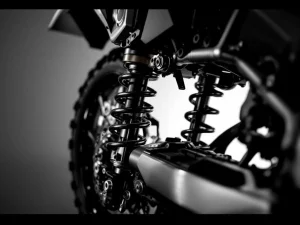
Preload on adventure bike suspension is the initial compression applied to your spring before adding weight. It’s not about making your suspension stiffer—it changes where the suspension sits in its travel range, affecting ride height, handling, and ground clearance. Whether you’re riding solo or fully loaded with gear and a passenger, proper preload adjustment maintains optimal bike geometry and performance. Understanding how to set preload correctly means your adventure bike handles consistently across different load conditions, prevents bottoming out, and keeps adequate clearance for off-road terrain without requiring expensive spring changes.
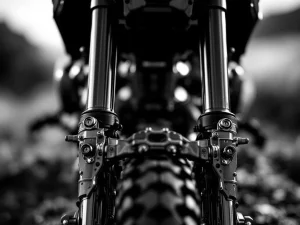
Inverted forks revolutionize adventure motorcycle suspension by flipping traditional fork design upside down. With larger diameter tubes positioned at the top for enhanced rigidity, these USD (upside-down) forks deliver superior handling on challenging terrain, especially when loaded with gear. While they offer significant performance advantages over conventional forks, they come with higher costs and specific maintenance requirements. Understanding how inverted forks work and why adventure bikes use them helps you optimize your suspension setup for your riding style and terrain preferences.
Carrying a passenger on your adventure bike changes everything about your suspension setup. Without proper preload adjustment, your rear suspension compresses excessively, reducing ground clearance and making handling unpredictable. This guide walks you through measuring sag with a passenger aboard, determining exactly how much preload to add, and making the adjustment correctly. You’ll learn to recognize signs of incorrect preload settings and maintain optimal suspension performance whether riding solo or two-up with full touring luggage.
Suspension travel and ground clearance work inversely on adventure motorcycles—when your suspension compresses, your bike sits lower. Most riders lose 25-40mm of clearance just from sitting on the bike, with luggage adding another 30-50mm. Dynamic compression during riding can temporarily reduce clearance by 80-100mm, explaining why you scrape obstacles you thought you’d clear. Understanding this relationship helps you set proper sag, choose correct spring rates, and maintain optimal clearance across different loads and terrain. Learn how to balance suspension performance with ground clearance for confident adventure riding.
Preload directly affects your adventure bike’s ride height by changing how much the suspension compresses under weight. Increasing preload raises the bike and reduces sag, while decreasing it lowers ride height. This comprehensive guide explains the relationship between preload and ride height, clarifies the difference between preload and spring rate, and provides step-by-step instructions for measuring and adjusting sag to optimize your bike’s ground clearance, handling, and comfort across different terrain and load conditions.
Suspension sag determines how your adventure bike handles across different terrain, yet many riders overlook this critical setup element. Proper sag settings improve comfort, safety, and responsiveness whether you’re touring with luggage or tackling off-road trails. This guide explains the difference between static and race sag, walks you through accurate measurement techniques, and reveals optimal settings for various riding styles. Understanding sag helps you diagnose suspension issues and know when professional setup makes sense for your specific needs.
Choosing the right suspension travel for your adventure motorcycle can transform your off-road riding experience. Most riders need 150-180mm for mixed terrain, but casual dirt road enthusiasts manage fine with 120-150mm, while serious off-roaders benefit from 180-220mm or more. The key isn’t chasing maximum numbers—it’s matching travel to your actual riding style and terrain. This guide breaks down exactly what different rider types need, why more isn’t always better, and how to tell if your current setup is holding you back on the trails you love most.
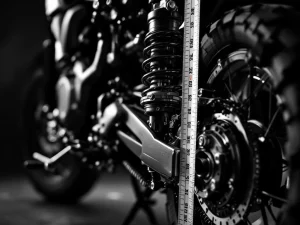
Proper suspension sag measurement is critical for adventure bike performance, yet many riders skip this essential setup step. This guide walks you through measuring both static and race sag with basic tools—a tape measure, marker, and helper. You’ll learn what the ideal 30-40mm race sag range means for your bike, how to interpret your measurements, and when preload adjustment versus spring replacement is needed. Whether you’re touring two-up with luggage or tackling technical off-road terrain, correct sag ensures your suspension handles the unique demands of adventure riding.
Rider weight directly determines how much your adventure bike’s suspension compresses, affecting handling, comfort, and control. Heavier riders need higher preload or stiffer springs to achieve the optimal 30-35% sag percentage that keeps your bike stable across varied terrain. Without proper sag settings matched to your weight, you’ll experience harsh rides, poor traction, and unpredictable handling whether you’re touring with luggage or tackling off-road trails. Understanding this relationship and knowing how to measure and adjust sag transforms your bike’s performance in every riding condition.
Choosing the right fork oil weight transforms your adventure motor’s off-road performance. Most riders find 7.5W to 10W provides the sweet spot for mixed terrain, but your ideal weight depends on riding style, bike weight, and conditions. Lighter oils (5W-7.5W) excel at absorbing rapid small bumps on technical trails, while heavier oils (10W-15W) prevent bottoming and improve control at speed. This comprehensive guide explains what fork oil weight means, how it affects your ride, and the telltale signs your current setup needs adjustment for better comfort and control.