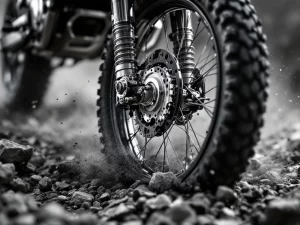
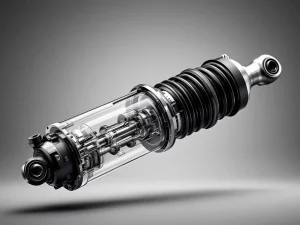
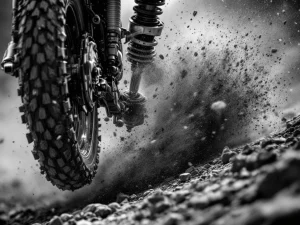
Small bump compliance on adventure bikes depends on three critical suspension settings: high-speed compression damping, rebound damping, and proper sag adjustment. High-speed compression controls how your suspension responds to rapid, small impacts—too much makes it harsh, too little creates instability. Rebound damping prevents packing between consecutive bumps, while correct sag ensures damping circuits work optimally. Understanding these settings transforms harsh, exhausting rides into smooth, controlled adventures where your suspension absorbs gravel ripples and washboard surfaces effortlessly, improving comfort, traction, and control.
Suspension bushings are the unsung heroes of your adventure motorcycle’s handling and comfort. These small rubber or polyurethane components absorb vibrations, prevent metal-on-metal contact, and keep your suspension moving smoothly. When they wear out—typically every 20,000-40,000 kilometres for off-road riders—you’ll notice clunking sounds, vague handling, and excessive play. This guide explains what bushings actually do, how to identify when they need replacing, and whether rubber or polyurethane is right for your riding style. Discover why these simple components make such a significant difference to your bike’s performance.
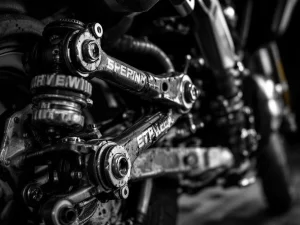
Adventure bike suspension linkages need servicing every 12-24 months or 10,000-20,000 kilometres, but your riding conditions matter significantly. Off-road riders, those in wet or dusty environments, and heavy load carriers need more frequent maintenance. Neglecting linkage service leads to bearing wear, harsh suspension action, and potentially thousands in repair costs. Watch for squeaking noises, visible play in the swingarm, or changes in how your bike handles—these warning signs mean immediate attention is needed to prevent expensive damage and maintain safe handling.
Suspension binding makes your adventure motorcycle feel harsh and unresponsive when components stick instead of moving smoothly. This common issue reduces traction, creates unpredictable handling, and makes every ride uncomfortable. Learn to identify the warning signs through simple bounce tests and visual inspections, understand what causes binding from dirt buildup to worn bushings, and discover practical maintenance steps that prevent expensive repairs while keeping your suspension performing properly on any terrain.
Adventure bike suspension binding creates harsh, jerky handling that compromises safety and comfort. This comprehensive guide reveals the most common causes—from dirt contamination and bent shafts to worn bushings and lack of lubrication—and shows you exactly how to diagnose, fix, and prevent binding issues. Learn the difference between binding and poor adjustment, discover manual testing techniques, and get expert maintenance tips that keep your suspension moving smoothly through demanding terrain.
Suspension stiction—the static friction preventing smooth suspension movement—creates harsh, uncomfortable rides and reduces traction on adventure bikes. This comprehensive guide explains how to identify stiction through simple tests, what causes it (worn seals, contamination, lack of lubrication), and proven prevention methods including regular cleaning and proper maintenance. Discover why stiction matters for adventure riders tackling varied terrain and how addressing it improves comfort, control, and suspension performance across your bike’s full travel range.
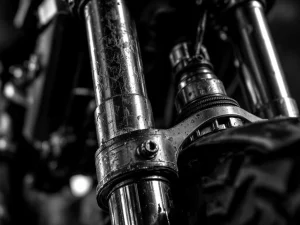
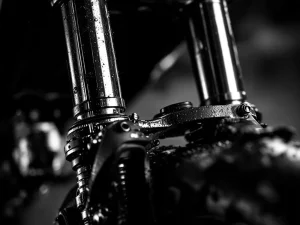
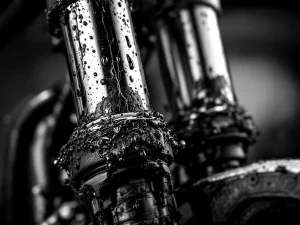
Worn adventure motor suspension seals reveal themselves through oil residue on fork tubes, dirt accumulation, and visible wetness around seal areas. Beyond visual clues, you’ll experience inconsistent damping, reduced responsiveness, and frequent bottoming out while riding. These warning signs indicate your seals are failing to keep oil in and contaminants out. Regular inspection after dusty rides and monthly detailed checks help catch seal problems before they escalate into expensive internal component damage. Understanding what causes seal wear—from dust exposure and water crossings to temperature extremes—empowers you to take preventive action and maintain optimal suspension performance on your adventures.
Rebound damping controls how quickly your suspension extends after compressing, while compression damping controls how fast it compresses when you hit a bump. Both work together to keep your adventure motorcycle stable and predictable on varied terrain. Understanding the difference helps you adjust your suspension for better control, comfort, and safety whether you’re riding gravel roads or technical trails. Learn how to identify when settings are out of balance and how to adjust them for different riding conditions.
When rebound damping is too fast on your adventure motor, the suspension extends too quickly after compression, causing bouncing and traction loss. You’ll experience a harsh, unstable ride as tyres skip over bumps instead of maintaining ground contact—especially problematic on gravel or rocky terrain. This guide explains what rebound damping does, how to identify when it’s set too fast through bouncing sensations and tyre chatter, and how to fix it with simple adjuster changes of 2-3 clicks at a time.
Suspension bushings are small but critical components connecting your adventure bike’s suspension linkages while absorbing vibrations and maintaining geometry. Made from rubber, polyurethane, or composite materials, they prevent metal-on-metal contact and protect your ride quality. Worn bushings cause clunking noises, loose handling, and safety concerns. Learn to identify warning signs like excessive play, unusual sounds, and visual deterioration. Discover the differences between OEM and aftermarket options, plus inspection intervals based on your riding style—from 5,000km for aggressive off-roaders to 10,000km for touring riders.