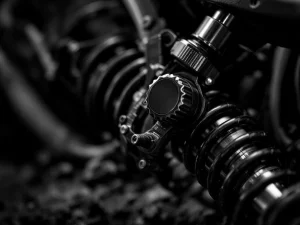
Rebound damping controls how quickly your suspension extends after compression, directly impacting cornering stability on adventure motorcycles. Too slow creates sluggish handling and reduced ground clearance; too fast causes harsh, skittish behavior that reduces traction. This comprehensive guide explains what rebound damping does during cornering, how to diagnose problems through bounce tests and on-road feedback, and provides step-by-step adjustment techniques. Learn to recognize suspension packing, hopping sensations, and steering issues, then discover how to dial in your settings for maximum confidence through turns on any terrain.
Suspension stiction makes your adventure bike feel harsh and unresponsive on trails. This resistance stems from seal friction, dirt contamination, corrosion, and inadequate lubrication. You’ll experience jarring small bumps, reduced traction, and faster fatigue. The good news? Regular cleaning, proper suspension-specific lubrication, and timely seal replacement can prevent stiction. Understanding these causes helps you maintain responsive suspension that keeps your tires planted and your ride comfortable, even through demanding desert sand, muddy trails, and water crossings.
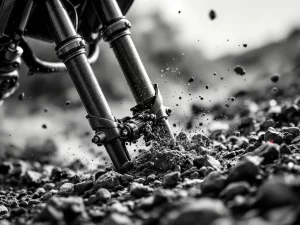
Adjusting rebound damping transforms your off-road adventure riding experience from fighting your bike to flowing with terrain. This guide shows you how to dial in suspension settings for different conditions—from fast gravel roads requiring quicker rebound to technical rocky sections needing slower, more controlled extension. Learn to recognize symptoms of incorrect settings, follow a step-by-step adjustment process, and understand how terrain type influences optimal rebound speed for maximum traction and control.
An adventure motorcycle is a dual-purpose bike engineered to conquer both paved highways and rugged off-road trails. With long-travel suspension, upright seating, larger fuel tanks, and protective features, these versatile machines let you explore diverse terrain without needing multiple bikes. Whether you’re commuting through city traffic, cruising motorways, or navigating gravel mountain passes, adventure bikes deliver the freedom to ride anywhere. Understanding their unique characteristics—from suspension travel to weight distribution—helps you maximise their capabilities and choose the right setup for your riding style.
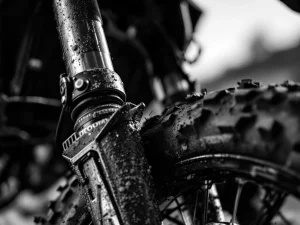
Stiction—static friction in your suspension—stops your adventure bike from absorbing small bumps on gravel roads and rough trails. When stiction is too high, tiny impacts transfer directly through your bike instead of being absorbed, creating a harsh, uncomfortable ride. This comprehensive guide explains what causes stiction in motorcycle suspension, how to diagnose it through simple tests, and practical maintenance steps to reduce friction. From cleaning fork stanchions to understanding seal wear, you’ll learn how to optimize your suspension for better small bump compliance and control across varied terrain.
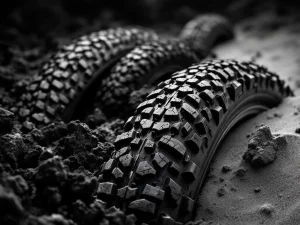
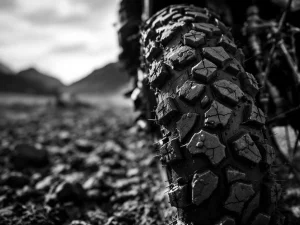
Choosing the right adventure motorcycle tyres transforms your riding experience across varied terrain. Whether you’re splitting time between highways and dirt trails, tackling muddy conditions, or planning long-distance tours, tyre selection matters. This guide breaks down tread patterns (50/50 vs 60/40), compound choices for durability, aggressive designs for wet weather, and how suspension tuning maximizes tyre performance. Learn which tyres match your adventure motor’s demands and riding style.
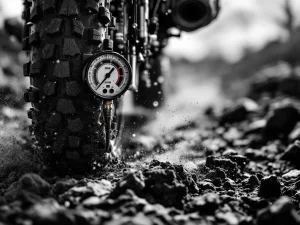
Adventure touring tire pressure isn’t one-size-fits-all. On highways, 30-36 PSI delivers stability and fuel efficiency. Off-road conditions demand 18-25 PSI for better traction on sand, gravel, and rocky terrain. Your bike’s load, rider weight, and gear significantly impact ideal pressure—a fully loaded touring bike needs 2-4 PSI more than a light day ride. Wrong pressure causes poor handling, excessive tire wear, and safety risks. Discover how to adjust pressure throughout your tour and why suspension upgrades complement proper tire management for the ultimate adventure touring experience.
Knowing when to replace your adventure motorcycle tyres could save your life. Tread depth below 2mm, visible cracks or bulges, and tyres over five years old all signal it’s time for replacements—regardless of remaining tread. Your riding style matters too: aggressive off-road riding and fully-loaded touring accelerate wear significantly. This guide reveals the critical warning signs most riders miss, explains how tyre age affects safety even with good tread, and shows how proper suspension setup can extend tyre life while improving grip and handling.
Small bump compliance determines how your adventure bike’s suspension absorbs minor surface imperfections like cracks, gravel, and stones. Poor compliance creates a harsh, jarring ride that causes hand numbness and lower back pain over long distances. Good compliance keeps you comfortable and in control across varied terrain by allowing suspension to move freely in the initial 20-30mm of travel. Factors like low-speed compression damping, spring rates, seal friction, and oil condition all influence performance. Fresh suspension service, proper spring selection, and custom tuning can dramatically improve how your bike handles rough surfaces during multi-day adventures.
Planning an adventure tour? Essential accessories make the difference between a memorable journey and a challenging ordeal. From crash bars and skid plates that protect your bike during inevitable drops, to properly tuned suspension that handles loaded weight across varying terrain, the right gear transforms your touring experience. Learn which luggage systems suit your style, which comfort upgrades actually reduce fatigue on 400-mile days, and why suspension setup matters more than most riders realize for safe, enjoyable multi-day adventures.