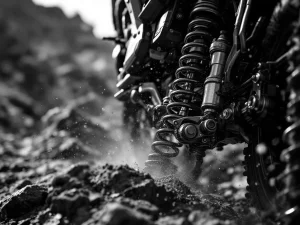
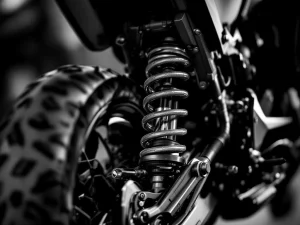
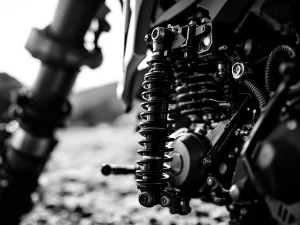
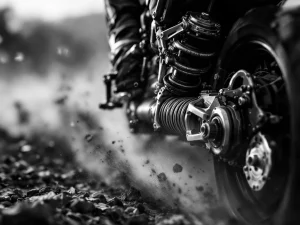
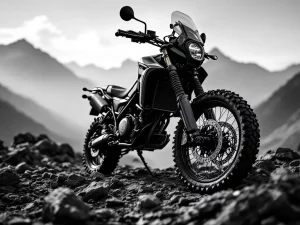
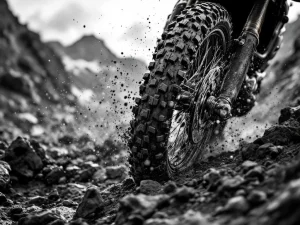
Upgrading adventure motorcycle suspension transforms your riding experience across all terrain types. Custom-tuned suspension reduces fatigue on long tours, improves handling in challenging conditions, and enhances safety when carrying luggage. Unlike stock suspension designed for average riders, upgraded systems adapt to your specific weight, riding style, and load requirements—delivering optimal performance whether you’re cruising motorways or tackling rough off-road trails. Discover how proper suspension setup can make your adventure bike feel like a completely different machine.
Adventure bike suspension costs range from £400 for budget aftermarket options to £3,500+ for high-end custom setups. The price reflects manufacturing quality, materials, adjustability features, and whether you’re upgrading individual components or complete front and rear systems. This comprehensive guide breaks down what determines suspension pricing across different categories, explains the real differences between cheap and expensive systems, and helps you decide whether stock suspension meets your needs or if aftermarket upgrades justify the investment for your specific riding style and terrain.
Struggling with an adventure bike that feels too tall? Proper suspension adjustment can transform your riding experience without compromising performance. This comprehensive guide reveals how shorter riders can optimize sag settings, fine-tune preload and rebound damping, and determine when custom solutions make sense. Discover the crucial difference between suspension tuning and physical lowering, plus learn the step-by-step process for achieving the perfect setup that improves ground reach, boosts confidence, and enhances control in all conditions.
Upgrading your adventure motorcycle suspension transforms comfort, control, and safety on challenging terrain and long tours. This guide reveals the telltale signs your stock suspension isn’t coping, explains how quality upgrades improve tyre contact and reduce fatigue, and helps you choose between servicing or replacing components. Whether you’re carrying heavy luggage or tackling technical trails, discover how to match suspension technology to your actual riding style and weight for optimal performance.
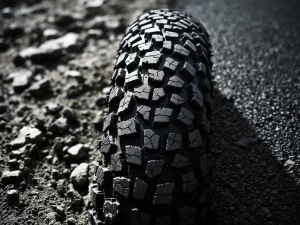
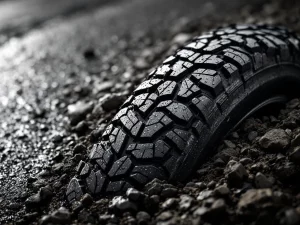
Choosing the right adventure motorcycle tires means honestly assessing your street-to-dirt riding ratio. Street-focused tires use closely spaced tread blocks and softer compounds for tarmac grip, while off-road tires feature aggressive patterns for loose terrain. Most riders overestimate their off-road percentage—that memorable gravel section might be just 7% of your actual mileage. Track your real riding patterns, then match tire features like tread block spacing and rubber compounds to where you actually ride, not where you wish you rode. Your suspension setup must work with your tire choice to maximize performance on both surfaces.
Choosing the right adventure bike tires transforms your riding experience across any terrain. Whether you’re touring on tarmac with occasional gravel detours or tackling serious off-road trails, understanding tire types (80/20 street-biased vs. 50/50 off-road), pressure adjustments, and how they work with your suspension setup makes all the difference. This guide breaks down tire selection based on your actual riding conditions, from wet weather performance to sand and rocky terrain, helping you match rubber to reality for maximum safety and enjoyment on every adventure.
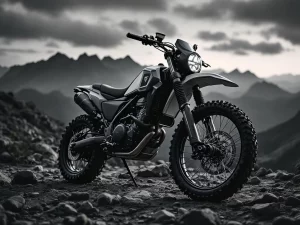
Adventure bikes are versatile motorcycles designed for riders who refuse to choose between highway comfort and off-road capability. With long-travel suspension (200mm+), upright ergonomics, and robust protection features, these machines handle everything from daily commutes to multi-continent expeditions. Unlike standard motorcycles or lightweight dual-sports, adventure bikes typically feature 800-1300cc engines, 20-30L fuel tanks, and integrated luggage systems. They’re ideal for tall riders, long-distance tourers, and anyone seeking one motorcycle for multiple purposes across varied terrain.
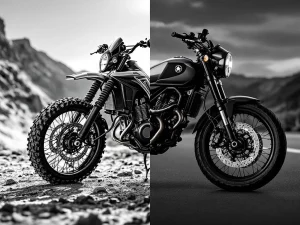
Adventure motorcycles differ from regular bikes through longer suspension travel (200mm+), upright riding positions, larger front wheels (19-21″), and higher ground clearance. These design choices enable both paved road comfort and off-road capability, while regular motorcycles optimize for specific street purposes. From ergonomics to tire tread patterns, every element serves the go-anywhere philosophy that defines adventure riding.
Adventure bikes blend on-road comfort with off-road capability through key features like 200mm+ suspension travel, upright seating positions, and 20-30 litre fuel tanks. Learn what distinguishes adventure motorcycles from standard bikes and dual sports, why suspension matters for both safety and comfort, and how these versatile machines let you explore beyond paved roads without sacrificing highway performance.
Adventure bikes blend highway comfort with off-road capability through long-travel suspension (200-250mm), upright riding positions, and versatile engines. These dual-purpose motorcycles feature adjustable suspension systems, generous ground clearance, and ergonomics designed for both long-distance touring and technical terrain. Learn how suspension design, engine characteristics, tire options, and ergonomic features enable adventure bikes to excel on paved roads and dirt trails alike.