

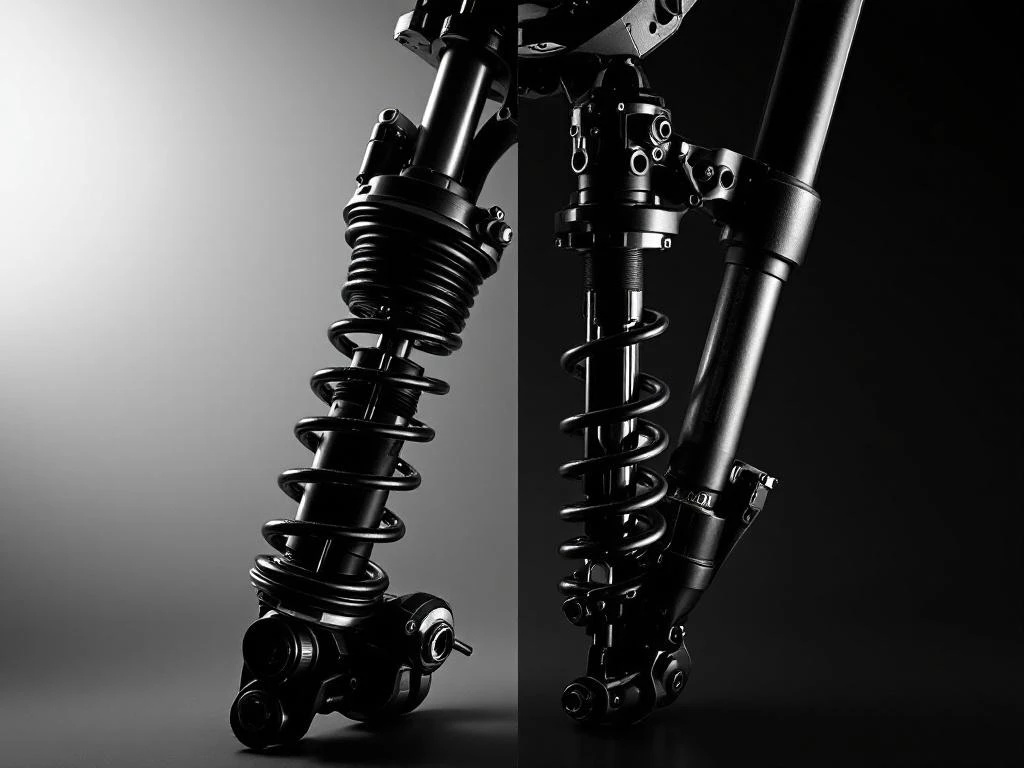
Adventure bike suspension and street bike suspension differ mainly in travel length, spring rates, and damping characteristics. Adventure bikes typically feature 200-250mm of suspension travel with softer damping to absorb off-road impacts, whilst street bikes use 100-150mm of travel with firmer settings optimised for smooth pavement. This affects how each bike handles obstacles, maintains traction, and delivers comfort in its intended environment.
What makes adventure bike suspension different from street bike suspension?
Adventure bike suspension uses significantly longer travel and softer spring rates compared to street bike setups. Where a typical adventure motor might have 200-250mm of suspension travel at both ends, a street bike usually sits around 100-150mm. This extra travel allows the suspension to absorb larger impacts from rocks, ruts, and uneven terrain without bottoming out.
The spring rates also differ considerably. Adventure bikes use softer springs that compress more easily, which helps maintain traction on loose surfaces like gravel or sand. Street bikes need stiffer springs because they’re designed to handle the forces of cornering at higher speeds on smooth tarmac. If you put adventure bike springs on a street bike, it would wallow through corners and feel vague. Do the opposite, and you’d get beaten up on anything rougher than perfect pavement.
Beyond the numbers, these differences change how each bike behaves. Adventure suspension prioritises comfort and capability over rough terrain, allowing wheels to follow ground contours whilst keeping the rider comfortable. Street suspension focuses on precise handling and stability at speed, giving you confidence when you’re leaned over in a corner or braking hard into a bend.
How does suspension travel affect your riding experience?
Suspension travel is the total distance your suspension can move from fully extended to fully compressed. More travel means your wheels can move further up and down, which directly impacts how your bike handles obstacles and feels during different riding conditions.
On an adventure motor with long travel, you’ll notice the suspension soaking up bumps that would jar you on a street bike. When you hit a rock or drop into a rut, the suspension compresses to absorb the impact whilst keeping your body moving smoothly forward. This makes long days on rough roads far less tiring and helps you maintain control when the surface gets unpredictable.
Street bikes with shorter travel excel on smooth surfaces. The limited movement provides better feedback about what your tyres are doing, which helps you corner with precision. You can feel exactly how much grip you have and respond accordingly. This same characteristic becomes a problem off-road, though. Without enough travel to absorb impacts, the suspension reaches the end of its stroke quickly, causing harsh jolts that upset the bike’s balance.
The practical difference becomes obvious when you ride the wrong bike on the wrong surface. Take a street bike down a gravel track, and you’ll feel every stone through the handlebars. Ride an adventure bike hard through twisty tarmac, and it’ll feel floaty and imprecise compared to a proper street machine.
Why do adventure bikes need different damping settings?
Damping controls how quickly your suspension compresses and rebounds. Adventure bikes use softer damping that allows the suspension to move more freely, whilst street bikes employ firmer damping for better control at higher speeds on smooth surfaces.
There are two types of damping to understand. Compression damping controls how fast the suspension compresses when you hit a bump. Rebound damping controls how quickly it extends back out afterwards. Adventure bikes need softer compression damping so the suspension can react quickly to repeated small impacts, like riding over corrugated dirt roads. If the damping is too firm, the suspension can’t keep up with the bumps, and you end up skipping across the surface rather than following it.
Street bikes use firmer damping because they face different challenges. When you brake hard or accelerate out of a corner, firm damping prevents the suspension from moving too quickly, which keeps the bike stable and predictable. This same firm damping would make an adventure bike feel harsh and skittish on rough terrain, transmitting every impact straight to your body.
The rebound side matters just as much. Adventure bikes need controlled but relatively free rebound so the suspension can extend quickly and stay in contact with uneven ground. Street bikes want slower rebound that keeps the bike settled during aggressive riding, preventing it from bouncing or becoming unstable when you’re pushing hard.
What happens when you use street bike suspension off-road?
Taking a street bike onto unpaved terrain quickly reveals the limitations of its suspension design. The shorter travel and firmer damping that work brilliantly on tarmac become serious problems when the surface gets rough.
You’ll experience bottoming out frequently, where the suspension reaches the end of its travel and slams metal to metal. This sends a harsh jolt through the bike and your body, upsetting balance and making it difficult to maintain control. Even moderate bumps that an adventure bike would absorb without fuss can bottom out a street bike’s suspension.
The firm damping compounds the problem. Instead of absorbing impacts, the suspension deflects off them, causing the tyres to lose contact with the ground. When your tyres aren’t touching the surface, you have no traction for steering, braking, or accelerating. This makes even simple dirt roads feel sketchy and exhausting.
Rider fatigue sets in quickly because your body absorbs the impacts that the suspension can’t handle. Your arms, back, and legs work overtime trying to cushion yourself and maintain control. What might be a pleasant hour-long ride on an adventure bike becomes a punishing ordeal on a street bike. The bike isn’t broken or poorly designed; it’s simply being asked to do something it wasn’t built for.
How do you choose the right suspension for your riding style?
The right suspension depends on where you actually ride, not where you imagine riding. Think about the 80/20 rule: where do you spend 80% of your riding time? If that’s mostly tarmac with occasional gravel car parks, street bike suspension makes sense. If you’re regularly on dirt roads and trails, adventure suspension is the better choice.
Consider these questions honestly. How often do you ride off-road versus on-road? When you do go off-road, how rough is the terrain? Are you riding fire roads or technical single track? How important is sporty handling on tarmac versus comfort on long journeys? Your answers point you towards the right compromise.
Dual-sport bikes sit in the middle, offering moderate travel and adjustable damping that can work reasonably well in both environments. They won’t match a dedicated street bike on tarmac or a proper adventure motor in the rough stuff, but they handle both adequately. This versatility makes sense if you genuinely split your riding between surfaces.
Adjustable suspension gives you more flexibility but requires knowledge to set up properly. If you’re willing to learn how compression and rebound adjustments affect your ride, adjustable suspension lets you tune for different conditions. If you’d rather just ride without fiddling, choose a bike with suspension set up for your primary riding environment.
Looking for suspension that matches your adventure?
If you’ve realised your current suspension doesn’t match how you actually ride, you’re not stuck with it. We build custom suspension systems tailored to your specific bike and riding style, whether you’re on an adventure motor tackling remote trails or a street bike carving through mountain passes.
Rather than offering generic solutions, we take the time to understand where you ride, how you ride, and what you want from your bike. This approach means your suspension works for you, not against you. You can explore our range of suspension systems designed for different bikes and riding conditions, from touring-focused setups to race-ready performance.
Not sure what you need? Get in touch with us and we’ll help you work out the right solution. We’d rather have a conversation about your actual riding than sell you something that doesn’t fit your needs. Your suspension should make riding more enjoyable, not just tick boxes on a spec sheet.
Frequently Asked Questions
Can I upgrade my street bike's suspension to handle occasional off-road riding?
Whilst you can soften damping settings and install slightly softer springs, there’s a limit to how much you can adapt street bike suspension for off-road use. The fundamental constraint is travel length—you can’t add more suspension travel without major modifications to the frame and geometry. For occasional light gravel roads, adjusting your damping to softer settings might help, but for regular off-road riding, you’re better off choosing a bike designed for that purpose or keeping separate machines for different terrain.
How do I know if my suspension is bottoming out too often?
You’ll hear and feel a harsh metallic clunk when your suspension bottoms out, which is distinctly different from normal bump absorption. Many modern bikes have an O-ring or zip tie on the fork stanchion and shock shaft that moves down as the suspension compresses—after a ride, check how close it is to the bottom of the travel. If you’re regularly using 90-100% of available travel on typical terrain, you’re bottoming out too frequently and need either firmer compression damping, stiffer springs, or more travel.
What's the biggest mistake riders make when adjusting their suspension?
The most common mistake is making multiple adjustments at once without testing between changes. If you adjust compression damping, rebound damping, and preload all together, you won’t know which change caused which effect. Always adjust one setting at a time, ride the bike in familiar conditions, and note the difference before making another change. Also, many riders set their suspension too stiff thinking it will improve handling, when often the opposite is true—suspension needs to move to work properly.
How often should adventure bike suspension be serviced compared to street bike suspension?
Adventure bike suspension typically needs more frequent servicing because it works harder and encounters more contamination from dirt, dust, and water. Plan on servicing adventure bike suspension every 10,000-15,000 km or annually, whichever comes first. Street bike suspension can often go 15,000-25,000 km between services if ridden primarily on clean tarmac. However, if you notice oil leaks, reduced damping performance, or unusual noises, service it immediately regardless of mileage.
Will adding luggage and a passenger significantly affect my suspension setup?
Absolutely—adding 30-40 kg of luggage and a passenger fundamentally changes how your suspension needs to work. You’ll need to increase preload to prevent the bike from sagging excessively, and you may need to firm up compression damping to handle the extra weight during braking and acceleration. Most adventure bikes have easily adjustable preload for this reason. If you regularly ride two-up with luggage, consider having your suspension professionally revalved and resprung for the loaded weight rather than constantly adjusting.
Can I learn to adjust my own suspension, or should I always use a professional?
You can definitely learn to make basic adjustments like preload, compression, and rebound damping—these external adjustments don’t require special tools and are designed for rider tuning. Start by understanding your bike’s baseline settings, then make small changes (2-3 clicks at a time) and test thoroughly. However, internal work like changing springs, revalving, or replacing seals requires specialised tools and knowledge, so leave that to professionals. Many suspension specialists offer setup sessions where they’ll teach you how to adjust your specific bike.
What are the signs that my suspension needs professional attention beyond regular service?
Watch for oil leaking from fork seals or shock bodies, which indicates failed seals that allow contamination and reduce damping. If your suspension feels harsh despite being on soft settings, or wallows even on firm settings, the damping oil may be worn out or contaminated. Unusual noises like clunking or squeaking, excessive stiction (suspension not moving smoothly through its travel), or visible damage to components all warrant professional inspection. Don’t ignore these signs—continuing to ride on damaged suspension can cause more expensive problems and compromise your safety.
Configure Your Motorcycle Suspension
Find the correct TFX suspension setup for your motorcycle in less than 60 seconds.
Start Configuration