Testing small bump sensitivity on adventure motorcycles doesn’t require special equipment—just three practical methods you can do yourself. Roll over parking kerbs at low speed, ride gravel roads at moderate pace, and tackle washboard surfaces to evaluate how your suspension absorbs frequent small impacts. Good small bump sensitivity means smooth absorption without harsh feedback through the bars or seat, transforming rough terrain riding from exhausting to enjoyable. Learn what to feel for and how suspension settings like compression damping, rebound, and preload affect your bike’s performance over the small bumps that matter most on adventure rides.
Suspension travel on adventure bikes ranges from 170mm to 220mm+, measuring how far your suspension compresses to absorb impacts. More travel means bigger obstacles handled with confidence, but comes with trade-offs like higher seat height. Understanding travel helps you choose the right bike and optimize your setup through proper tuning. Whether you ride gravel roads or technical trails, matching suspension travel to your riding style makes the difference between fighting your bike and flowing through terrain with control and comfort.
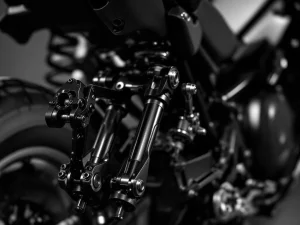
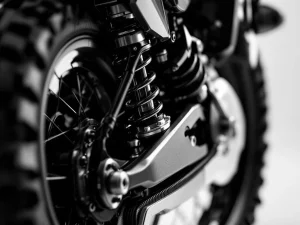
Adventure bike suspension linkages connect your rear shock to the swingarm through metal links and bearings, creating progressive damping that balances comfort with control. This mechanical system makes your suspension softer over small bumps but firmer on big hits, preventing harsh bottom-outs. Most modern adventure bikes use linkage systems because they handle varied terrain better than direct-mount designs. Understanding how linkages work—and why they need regular maintenance—helps you get the most from your bike’s suspension performance.
Selecting the right suspension for your adventure bike requires balancing road comfort with off-road capability while accounting for varying loads. Unlike standard motorcycles, adventure bikes need longer travel (170-220mm), adjustable damping for diverse terrain, and springs matched to your actual weight plus gear. Whether you ride 80% tarmac or tackle serious trails, understanding preload, rebound, and compression adjustments helps you optimize performance. Custom suspension built around your specific weight, riding style, and typical loads outperforms generic solutions that compromise across average specifications.
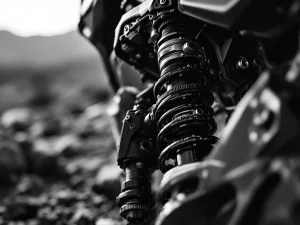
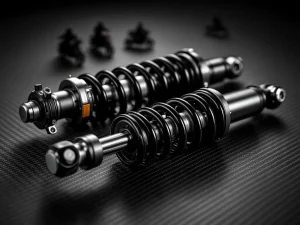
Not all adventure motorcycles need reservoir shocks. Whether you benefit from them depends entirely on your riding style and terrain. Reservoir shocks excel at heat management during demanding, extended rides on rough terrain, especially when carrying heavy loads. Standard shocks perform perfectly well for recreational touring and occasional gravel roads. This guide helps you assess your actual riding patterns—terrain type, load carrying, ride duration, and intensity—to determine which suspension setup matches your needs rather than aspirational riding goals you might never pursue.
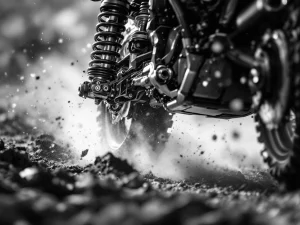
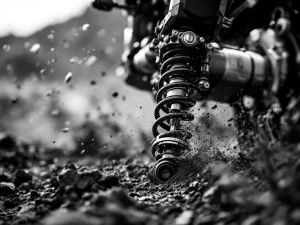
Small bump compliance transforms how your adventure motorcycle handles gravel, roots, and rippled surfaces. Four key suspension settings control this: rebound damping, high-speed and low-speed compression damping, and spring preload. When properly adjusted, these settings keep your tires glued to the ground, dramatically reduce rider fatigue, and make rough roads feel smooth. Most adventure bikes come with factory settings that prioritize sport riding over comfort. Understanding how each adjustment affects small bump performance lets you dial in suspension that absorbs constant impacts instead of transmitting them through the handlebars and seat.
Suspension linkages transform how your adventure motorcycle handles varied terrain by creating a progressive response between wheel movement and shock compression. This mechanical system delivers plush comfort over small bumps while preventing bottoming on large impacts—giving you one suspension setup that works across tarmac and trails. Understanding linkage ratios, progressive rates, and optimization strategies helps you maximize traction, control, and comfort whether you’re touring loaded or tackling technical off-road sections.
Choosing between piggyback and remote reservoirs for your adventure motorcycle suspension? The key difference lies in placement and heat management. Piggyback reservoirs attach directly to the shock body for compact simplicity, while remote reservoirs mount separately via a hose, offering superior cooling during demanding rides. Both systems improve damping with pressurized nitrogen and extra oil volume, but your riding style, terrain, and load determine which works best. Hardcore offroad riders benefit from remote cooling, while touring riders appreciate piggyback convenience.
Planning an adventure motor trip requires balancing ambition with practical preparation. From choosing routes that match your skill level to preparing your motorcycle mechanically, packing smart without overloading, and implementing safety protocols—every decision shapes your experience. This comprehensive guide covers route planning considerations, mechanical prep essentials, gear selection strategies, navigation best practices, and how proper suspension setup transforms loaded touring. Whether you’re planning your first multi-day ride or refining your approach, discover how thoughtful preparation turns ambitious ideas into unforgettable adventures.
Choosing between manual and electronic suspension for your adventure bike isn’t about which is “better”—it’s about matching the system to how you actually ride. Manual suspension offers reliable, hands-on control you adjust during stops, while electronic systems adapt on the fly with button presses. This guide breaks down the real cost differences, maintenance requirements, and which riding styles benefit most from each type. Whether you’re touring tarmac, tackling mixed terrain, or riding remote trails, understanding these practical differences helps you invest in suspension that genuinely improves your adventures.