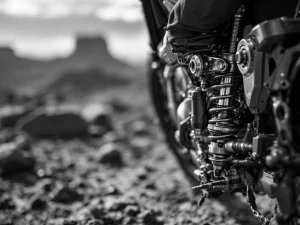
Struggling with harsh impacts, bottoming out, or poor traction despite adjusting your clickers? Revalving your adventure bike suspension changes internal valve settings to match your weight, riding style, and terrain—going beyond what external adjusters can fix. This comprehensive guide reveals the telltale signs your suspension needs revalving, explains how it differs from regular adjustments, and helps you decide whether revalving or replacement makes more sense. Discover when investing in custom valve tuning transforms your ride quality and confidence on challenging terrain.
Adventure motorcycle suspension combines springs, shock absorbers, and damping systems to keep your tyres connected to the ground across any terrain. Springs support your bike’s weight while dampers control compression and rebound speed, preventing uncontrolled bouncing. Preload adjustments accommodate different loads, whilst compression and rebound settings fine-tune how your bike responds to impacts and recovers. Understanding these components and adjustments helps you optimize comfort, traction, and control whether you’re touring on tarmac or tackling rough off-road trails.
Electronic adventure bike suspension uses sensors and computer-controlled dampers to automatically adjust settings in real-time as you ride. This technology continuously adapts to changing terrain, loads, and conditions without rider input, improving comfort on long rides and enhancing safety through better traction. Learn how electronic systems compare to manual suspension, whether the technology justifies the cost, and which riders benefit most from automatic damping adjustment.
Deciding between manual and electronic suspension for your adventure motorcycle? Manual systems offer simplicity and lower costs with hands-on control, while electronic suspension adapts automatically to changing terrain and loads. This guide breaks down the real-world cost differences (£1,500-£3,000 premium for electronic), maintenance requirements, and which system suits different riding styles—from off-road enthusiasts to touring riders. Learn about reliability concerns, long-term ownership costs, and how to choose suspension that matches your actual riding patterns, not just marketing promises.
Adventure motorcycles rely on mono-shock rear suspension paired with telescopic or inverted front forks to conquer everything from highways to rocky trails. This combination absorbs impacts, maintains traction, and balances touring comfort with off-road capability. Proper suspension setup dramatically affects safety and control—different terrain demands different settings. Whether you’re touring loaded with gear or tackling technical single-track, understanding how these systems work helps you optimize your ride for any condition.
Setting up your adventure bike correctly transforms how it handles across sand, gravel, mud, and tarmac. This comprehensive guide covers essential adjustments including suspension settings (preload, compression, rebound), optimal tyre pressures for each surface type, and body positioning techniques that maximize control and safety. Learn the specific pressure ranges for different terrain, when to adjust between conditions, and how professional suspension tuning can elevate your multi-terrain riding experience.
Adventure bike tire replacement isn’t just about worn tread—age, riding style, and suspension setup all play crucial roles. Replace rear tires at 2mm tread depth and fronts at 3mm, but also watch for cracks, bulges, and uneven wear patterns. Even with good tread, five-year-old tires lose grip and flexibility. Your riding style dramatically impacts lifespan: street-focused riders get 12,000-15,000 miles while aggressive off-roaders see only 4,000-6,000 miles. Discover how proper suspension setup extends tire life and when to replace individually versus in pairs.
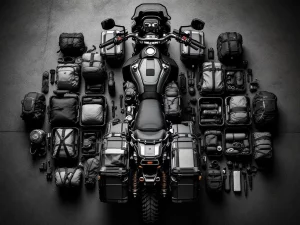
Packing an adventure bike for long trips involves more than strapping on luggage. Proper weight distribution, staying within payload limits, and adjusting suspension are critical for safety and comfort. This guide covers optimal weight placement (60/40 rear-biased split), understanding your bike’s 180-220kg capacity limits, choosing between hard and soft luggage systems, and organizing gear for accessibility. You’ll learn why suspension preload adjustment matters when loaded, how to avoid common packing mistakes that compromise handling, and practical strategies for multi-day trips. Whether planning weekend rides or extended expeditions, these techniques ensure your adventure bike handles predictably under load.
Proper tire pressure transforms your adventure bike touring experience. On pavement, run 36-42 PSI, but drop 3-6 PSI for gravel and dirt to maximize traction. Carrying luggage or a passenger? Add 2-4 PSI to maintain handling and prevent excessive wear. Getting this balance right affects everything from corner grip to tire longevity. Start with your manufacturer’s recommendations, then fine-tune based on terrain and load for optimal performance and safety on every adventure.
Shorter adventure riders can lower seat height by 10-30mm through proper suspension adjustments without compromising bike performance. By setting correct preload and sag for your weight, you’ll improve both ground reach and handling simultaneously. Combined with seat modifications and ergonomic tweaks, these adjustments transform your riding confidence on technical terrain and at stops. Professional suspension tuning optimized for lighter riders delivers even better results, ensuring your adventure bike responds properly to your weight while sitting lower.